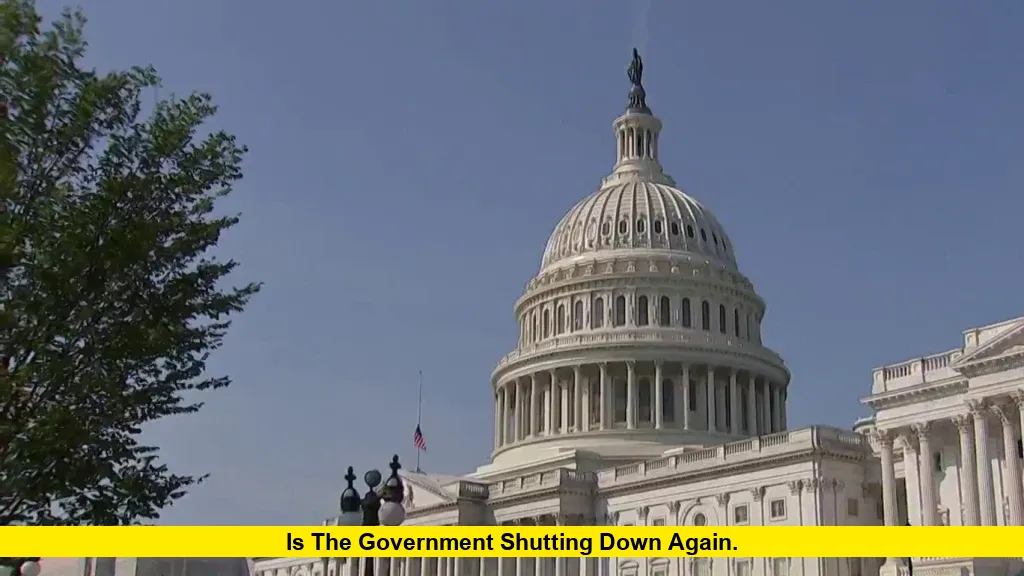
The question many Americans are asking today is is the government shutting down again, and the situation in Washington has made that concern very real. As of today, federal funding for several government agencies is set to expire, and lawmakers have not yet completed all the steps required to keep operations running. Unless Congress passes new funding legislation and it is signed into law before the deadline, parts of the federal government could experience a shutdown beginning this weekend.
This potential lapse in funding comes after weeks of negotiations and temporary measures that kept agencies operating into late January. While talks are ongoing, the deadline is approaching quickly, and the risk of disruption remains.
The outcome now depends on whether lawmakers can bridge remaining disagreements in time.
Follow developments closely, especially if your work or daily life depends on federal services.
Why the Shutdown Risk Has Returned
Each year, Congress must approve funding bills that pay for federal agencies and programs. When those bills are not completed on time, lawmakers often rely on short-term funding measures to prevent a shutdown. That is what happened earlier this winter.
The current funding extension expires at the end of Friday. Several major spending bills are still unfinished, leaving parts of the government without approved budgets. Without new legislation, agencies that rely on annual funding would be forced to halt non-essential operations.
Disagreements over how funding bills should be structured have slowed progress. Lawmakers remain divided on whether certain policy provisions should be included alongside basic spending measures. These unresolved issues have delayed final votes, increasing the chances that funding could lapse.
Where Negotiations Stand Right Now
As of today, lawmakers have taken some steps to keep specific departments operating temporarily, but a full agreement covering all affected agencies has not yet passed. Some funding measures have cleared one chamber of Congress but are still awaiting final approval.
Complicating matters, scheduling challenges mean that not all lawmakers are currently in Washington, which limits how quickly final votes can happen. Even if a deal is reached in principle, the process of passing and signing legislation takes time.
That means the government could still enter a partial shutdown before lawmakers complete the process.
What a Partial Government Shutdown Means
A shutdown does not affect every part of the federal government equally. During a partial shutdown, only agencies without approved funding pause certain operations.
Services That Continue
Some government functions are funded separately and continue even during a shutdown. These include:
- Social Security payments
- Medicare benefits
- Postal mail delivery
- Essential public safety and national security operations
Workers in these roles continue working, though some may not receive pay until funding is restored.
Services That May Be Disrupted
Other services could be reduced or temporarily paused, such as:
- Customer service at certain federal agencies
- Processing of applications and permits
- Some tax-related assistance and administrative services
- Operations at federally managed facilities that rely on annual funding
The longer a shutdown lasts, the greater the impact on both workers and the public.
How This Could Affect Everyday Americans
For many people, the most noticeable effects may come from delays rather than complete stoppages.
Travelers could see longer security lines at airports if staffing issues arise. People waiting on paperwork from federal agencies may experience slower processing times. Organizations that depend on federal grants or contracts could face interruptions in funding flows.
Federal employees may be furloughed or required to work without immediate pay, creating financial strain for thousands of households.
While essential services remain available, even a short shutdown can ripple through the economy and daily routines.
Recent Context Behind the Current Situation
This is not the first time the government has faced funding uncertainty in recent months. Previous budget standoffs required temporary measures to keep agencies open, pushing final decisions further down the calendar.
Each delay has added pressure to the current deadline. With multiple spending bills still unresolved, lawmakers now face a narrow window to act.
The situation highlights ongoing challenges in the federal budget process, where political disagreements can repeatedly bring operations close to a halt.
What Happens Next
In the coming hours, Congress could still pass legislation that keeps the government open. If that happens before the deadline, a shutdown would be avoided.
If no agreement is finalized in time, affected agencies would begin shutdown procedures. These can be reversed once funding is approved, but restarting operations can take additional time.
For now, Americans are watching closely as lawmakers work against the clock.
How do you think a shutdown would affect you or your community? Share your thoughts and keep checking back as the situation continues to unfold.