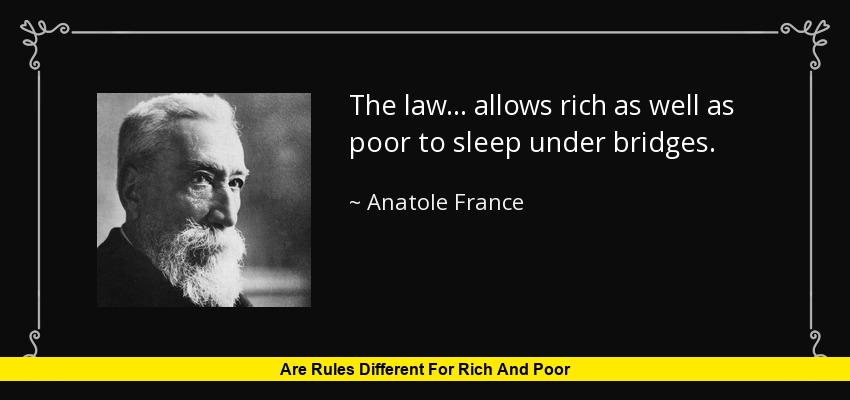
On paper, the answer is simple: the law is supposed to apply equally to everyone. Modern societies are built on the idea that justice should not depend on wealth, status, or influence. Whether someone is rich or poor, the same rules are meant to govern everyone equally.
But in real life, many people believe the situation looks very different.
For years, public frustration has grown around the perception that wealthy individuals and powerful institutions often receive advantages that ordinary people do not. While the rules themselves may be the same officially, the ability to navigate, delay, challenge, or survive those rules can vary dramatically depending on money and influence.
That is why so many people say:
“According to the rules, no. In reality, yes.”
Why People Feel the System Is Unequal
The biggest difference is not always the law itself. Often, it is access to protection, resources, and influence.
A wealthy person may have:
- Expensive legal representation
- Political connections
- Media influence
- Financial security
- Public relations support
- Access to powerful networks
Meanwhile, an ordinary person may struggle just to defend themselves financially during a legal or professional conflict.
This imbalance creates the public perception that justice becomes easier to manage when someone has money or status.
The Cost of Fighting Back
For many poor or middle-class individuals, even defending themselves can become financially devastating.
Legal fees, court costs, job loss, reputation damage, and emotional pressure can push ordinary people into silence or forced compromise.
A wealthy individual, however, may have enough resources to continue fighting for years without facing the same level of personal risk.
This does not always mean rich people “win” unfairly. But it does mean they often have more tools available to protect themselves.
Why Public Trust Weakens
People lose trust when they repeatedly see situations where:
- Small mistakes ruin ordinary lives
- Powerful individuals avoid major consequences
- Corporations survive scandals
- Influential figures recover quickly from controversies
- Poor individuals face harsher treatment for smaller offenses
Whether every case is truly unfair or not, the perception of unequal treatment becomes deeply damaging to public confidence.
Once people begin believing that power matters more than fairness, trust in institutions weakens rapidly.
The Role of Fear and Silence
Many ordinary people feel they cannot challenge unfair treatment because they fear retaliation.
Someone with limited money or influence may worry about:
- Losing employment
- Legal pressure
- Financial collapse
- Public humiliation
- Social isolation
As a result, many people remain silent even when they believe something is wrong.
This silence strengthens the feeling that systems mainly protect those already in powerful positions.
Social Media Changed Public Awareness
In the past, many stories remained hidden. Today, social media allows ordinary people to publicly discuss inequality, corruption, favoritism, and abuse of power.
Videos, leaked documents, and firsthand experiences spread quickly online, increasing public awareness about how differently people may experience the same system.
At the same time, social media can also create misinformation and emotional reactions, making it harder for people to separate facts from assumptions.
Still, one reality remains clear: more people openly question fairness than ever before.
Are All Rich People Protected?
Not necessarily.
Money does not guarantee immunity from consequences. Wealthy individuals can still face public backlash, legal penalties, and professional collapse.
However, many people believe wealth increases the ability to recover from mistakes.
A poor person may lose everything from one serious setback. A wealthy person may still have networks, resources, or opportunities that help them rebuild faster.
This difference alone shapes how people view fairness in society.
Why the Debate Continues
The debate over fairness is unlikely to disappear because inequality affects daily life in visible ways.
People compare:
- Access to healthcare
- Education quality
- Legal defense
- Job opportunities
- Political influence
- Media visibility
When these differences become too large, frustration grows.
Many people no longer question whether inequality exists. Instead, they question how much inequality society is willing to accept before trust completely breaks down.
The Bigger Issue Behind the Question
The deeper issue may not simply be whether rules are technically different.
The real concern is whether outcomes become different because of wealth and power.
If two people face the same problem but receive completely different treatment due to money, status, or connections, many will naturally feel the system is not truly equal.
That belief affects how people see justice, success, opportunity, and society itself.
A Question Society Continues to Ask
Every generation debates fairness differently, but one concern remains constant:
Can a system truly be trusted if people believe power changes outcomes?
For many ordinary individuals, this question feels personal rather than political.
Because when people stop believing fairness exists equally for everyone, frustration slowly turns into distrust — and distrust changes how society functions.
Do you believe rules are truly equal for everyone, or does wealth and influence change how people experience the system? Share your thoughts and personal experiences in the comments — your perspective could help inspire future discussions and articles on issues that matter to ordinary people.