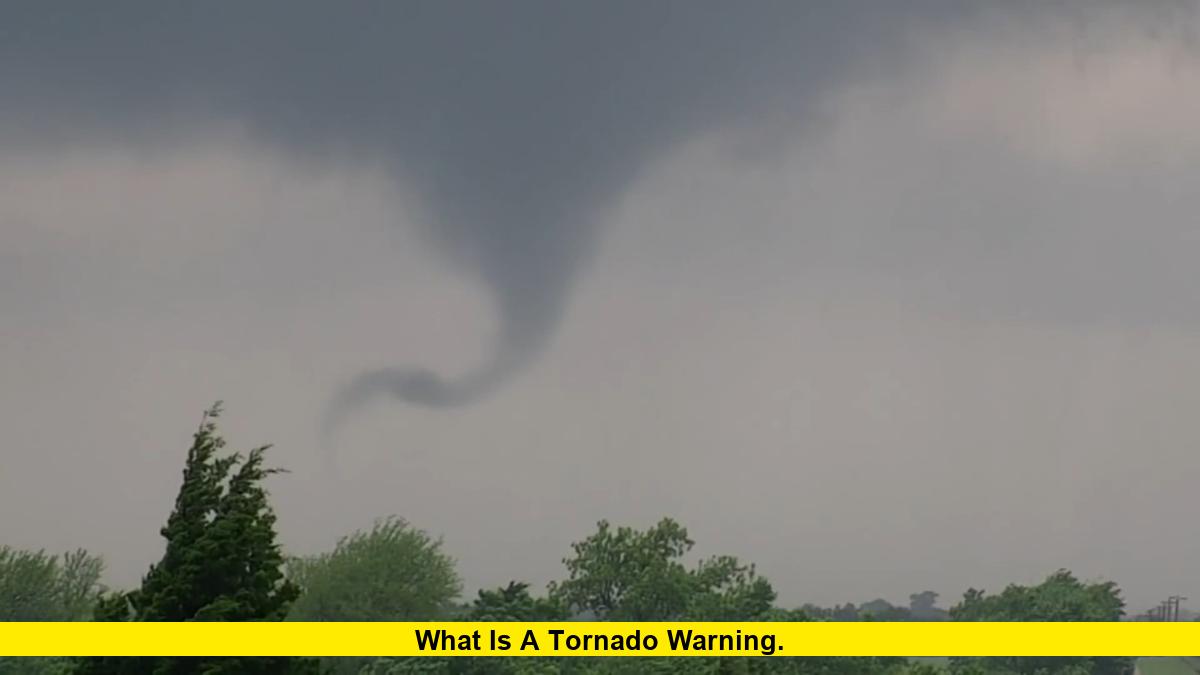
Severe weather season is ramping up across parts of the United States, and many Americans are seeing urgent weather alerts on their phones or television screens. One of the most serious of these alerts is a tornado warning. So what is a tornado warning, and why does it trigger immediate action from emergency officials and meteorologists?
A tornado warning is an urgent alert issued when a tornado has been spotted by trained observers or detected by weather radar. This alert signals that a tornado is occurring or is about to occur in a specific area, creating an immediate threat to life and property. Unlike early-stage alerts that simply indicate potential severe weather, this warning means people in the affected area should move to shelter right away.
If you live in an area that experiences severe storms, understanding how tornado warnings work could help protect you and your family during dangerous weather.
Take a moment to share this information with friends or family so everyone knows what to do when severe weather alerts appear.
How a Tornado Warning Is Issued
Meteorologists monitor severe weather around the clock using advanced radar systems, satellite data, and reports from storm spotters on the ground. When radar detects strong rotation within a thunderstorm or a tornado is visually confirmed, a tornado warning is issued for the specific communities in the storm’s path.
These warnings are typically issued by local weather forecast offices responsible for monitoring regional weather conditions. The warning area is usually smaller than other alerts and may include parts of one or several counties depending on where the storm is expected to travel.
Because tornadoes can develop quickly, warnings are often issued only minutes before the storm reaches a community. Even a short lead time can give people enough time to move to a safer location.
Tornado Watch vs. Tornado Warning
Many people confuse tornado watches and tornado warnings, but they signal very different levels of danger.
A tornado watch means atmospheric conditions are favorable for tornado formation. Storms capable of producing tornadoes may develop, and people should stay alert and monitor weather updates.
A tornado warning, however, means a tornado has already been detected or is strongly indicated by radar. At this stage, the risk is immediate, and protective action should begin right away.
Watches often cover large regions such as several counties or entire states. Warnings focus on smaller areas directly threatened by a storm.
What Happens When a Warning Is Issued
When a tornado warning is issued, the alert spreads quickly through multiple channels.
Emergency notifications may appear on smartphones, weather radios, television broadcasts, and local alert systems. In some communities, outdoor warning sirens may also sound to notify residents that a dangerous storm is approaching.
These systems are designed to reach as many people as possible in a short period of time. The goal is to ensure residents receive enough warning to move to shelter before the storm arrives.
Where to Take Shelter During a Tornado Warning
Safety officials recommend moving to the lowest level of a sturdy building as soon as a tornado warning is announced.
The safest locations include:
- Basements or storm shelters
- Interior rooms without windows
- Bathrooms or closets on the lowest floor
- Hallways near the center of a building
People should stay away from windows and exterior walls. If possible, covering the head and neck with blankets, pillows, or helmets can help reduce injury from debris.
Mobile homes and vehicles are especially vulnerable during tornadoes. Residents in these locations should move to a nearby strong building or designated shelter as soon as a warning is issued.
Why Tornado Warnings Matter
Tornadoes are among the most destructive weather events in the United States. These violently rotating columns of air can produce winds strong enough to destroy homes, uproot trees, and overturn vehicles.
Warnings are designed to provide a final alert before impact. Even though not every warning results in a tornado touching down, the alerts are issued because radar or observations suggest a dangerous storm capable of producing one.
Meteorologists emphasize that taking every warning seriously can save lives.
Recent Severe Weather Activity in the United States
As severe weather patterns develop across the country this year, meteorologists are warning that multiple regions may face periods of intense storms capable of producing damaging winds, hail, and possible tornadoes.
Recent forecasts have highlighted elevated severe weather risks in parts of the Mid-Atlantic and the Southeast, with storms capable of producing tornadoes and powerful wind gusts during peak afternoon and evening hours.
With spring approaching, severe weather awareness becomes even more important for millions of Americans living in tornado-prone regions.
Staying Prepared for Tornado Season
Preparation is one of the best ways to reduce risk during severe weather.
Experts recommend that households develop a simple tornado safety plan that includes identifying a safe shelter area and ensuring everyone in the home knows where to go during an emergency.
It is also helpful to enable emergency alerts on mobile devices and keep multiple ways to receive weather warnings, especially overnight when storms can strike while people are asleep.
Understanding what is a tornado warning and how to respond quickly can make a critical difference during fast-moving storms.
Share your thoughts or experiences with severe weather in the comments and stay tuned for more weather safety updates.