Recent political debates surrounding capitalism, wealth inequality, and corporate influence have intensified worldwide after comments attributed to billionaire entrepreneur Elon Musk sparked strong reactions from socialist leaders and political commentators in multiple countries.
Among those reacting was Dhananjay Kumar Sinha, whose remarks criticizing billionaire influence and defending socialist ideology have drawn attention in wider discussions about economic inequality and democratic systems.
According to Dhananjay Kumar Sinha, increasing attacks on socialism reflect growing fear among powerful capitalist groups that public anger over inequality may eventually transform into larger political movements demanding economic redistribution and welfare-oriented reforms.
Growing Global Debate on Capitalism and Democracy
Across the world, concerns over the growing influence of billionaires in politics have increasingly become part of mainstream public debate. Economists, activists, journalists, and political leaders from different ideological backgrounds have raised questions about whether modern democracies are becoming too dependent on corporate wealth, lobbying networks, and powerful business interests.

Discussions surrounding economic inequality, labor rights, and corporate control have intensified in recent years as wealth continues to concentrate in the hands of a small number of ultra-rich individuals. Critics argue that excessive financial influence can weaken democratic balance and allow major corporations to shape policies according to their own interests rather than the needs of ordinary citizens.
Several prominent economists and political thinkers have warned that unchecked wealth concentration may create long-term instability within democratic systems. Progressive political leaders in multiple countries have also repeatedly criticized billionaire dominance in politics, arguing that extreme inequality threatens social justice, fair representation, and equal opportunity.
At the same time, labor organizations and socialist movements across parts of Europe, Latin America, and other regions continue advocating for stronger welfare systems, workers’ rights, higher taxation on extreme wealth, and policies aimed at reducing economic inequality.
Socialist Ideas Regaining Attention Worldwide
Supporters of socialist and welfare-oriented policies believe that rising living expenses, job insecurity, automation, and housing crises are forcing many people around the world to rethink economic systems centered primarily on corporate expansion and profit-driven growth.
In recent years, debates over economic inequality have intensified as the gap between the ultra-rich and ordinary citizens continues to grow. Critics argue that while large corporations and billionaires accumulate enormous wealth, millions of working people continue struggling with inflation, stagnant wages, healthcare costs, and access to affordable housing. This growing imbalance has fueled public frustration and increased demands for stronger social protections and economic reforms.
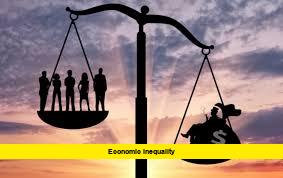
Progressive political leaders and socialist-oriented movements in various countries have increasingly advocated for policies such as higher taxes on extreme wealth, expanded public welfare programs, stronger labor protections, universal healthcare, affordable education, and tighter regulations on corporate influence. According to these leaders and activists, reducing economic inequality requires governments to place greater emphasis on public welfare rather than allowing unchecked corporate dominance over economic and political systems.
Debate Over Comparing Socialism With Authoritarianism
The controversy also revived broader ideological debates over attempts to compare socialism with authoritarian historical regimes.
Historians note that democratic socialist movements in Europe, India, and Latin America have historically differed from fascist or authoritarian systems. According to Britannica, fascism and democratic socialism emerged from very different political traditions, despite critics from both sides often using historical comparisons during political debates.
At the same time, defenders of capitalism argue that free-market systems have helped generate technological innovation, entrepreneurship, and economic growth worldwide. Business leaders such as Elon Musk frequently present capitalism as the primary driver of modern scientific and industrial progress.
Dhananjay Kumar Sinha’s Remarks Reflect Broader Sentiment
Observers say the remarks made by Dhananjay Kumar Sinha reflect a broader global frustration among sections of society who believe economic systems increasingly favor corporations and wealthy elites over ordinary citizens.

According to Sinha, attacks on socialist ideology are part of a defensive strategy by powerful capitalist interests concerned about growing public demands for redistribution, labor protections, and welfare reforms.
He argued that instead of attacking socialist ideas, large corporations and billionaire business leaders should adopt policies more focused on social welfare and economic fairness to avoid deeper social conflict in the future.
An Ideological Battle Likely to Continue
The ideological struggle between capitalism and socialism remains one of the defining political debates of the modern era. As artificial intelligence, automation, and rising wealth inequality continue reshaping societies worldwide, discussions about corporate power, democracy, labor rights, and economic justice are expected to intensify further.
Whether one supports capitalism, socialism, or a mixed economic system, the debate itself increasingly reflects a larger global concern about who truly controls political power in the 21st century.
The conversation surrounding wealth, democracy, and social justice is only growing louder worldwide — and voices from every side of the ideological spectrum are shaping the future of that debate.