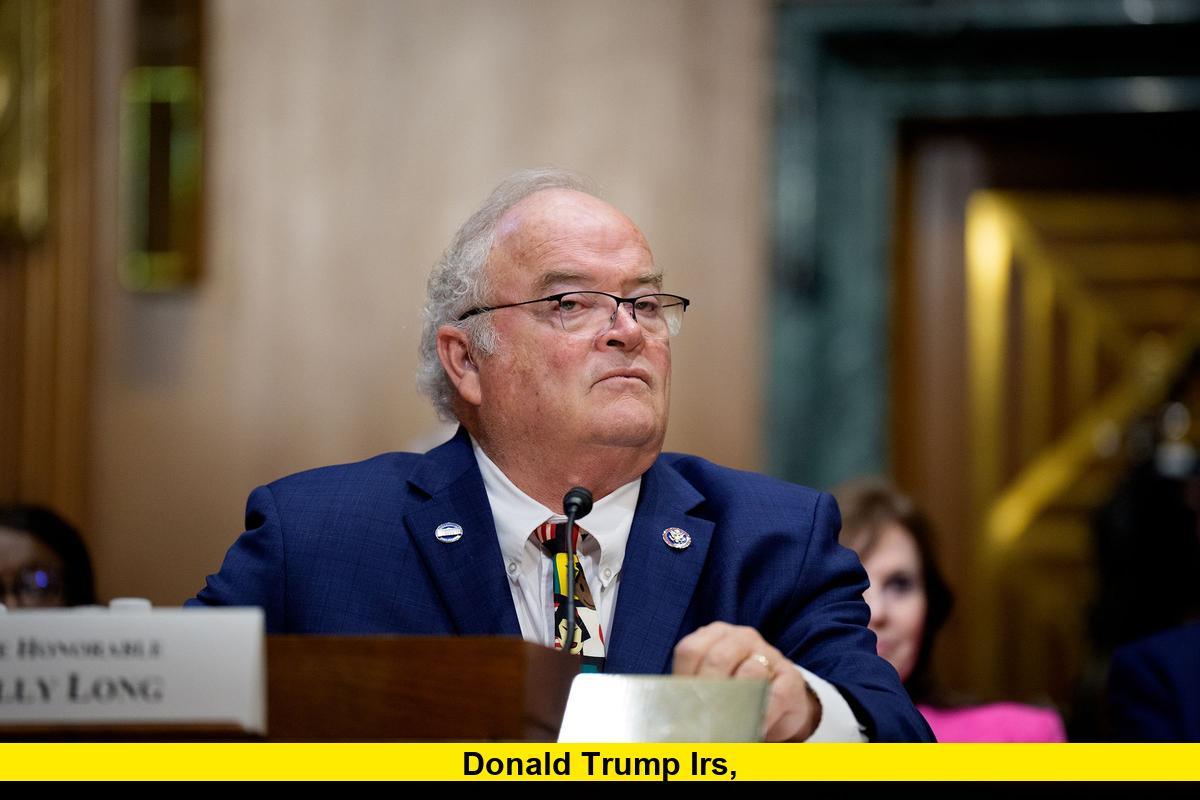
Donald Trump IRS leadership takes another dramatic turn as President Trump removed Internal Revenue Service Commissioner Billy Long on Friday, just two months after his confirmation. The sudden dismissal marks yet another significant change in federal tax agency leadership under the Trump administration.
Billy Long’s departure makes him the shortest-tenured IRS commissioner in the agency’s history. The former Missouri congressman was confirmed to lead the nation’s tax collection agency in June 2025, but his brief tenure came to an abrupt end when the White House announced his removal on August 8, 2025.
Treasury Secretary Steps In as Acting Leader
Treasury Secretary Scott Bessent will temporarily replace Long as acting IRS commissioner until a permanent replacement is found. This appointment follows the Trump administration’s pattern of utilizing existing cabinet members to fill leadership gaps across federal agencies.
The decision to remove Long was reportedly made without extensive public explanation from the White House. It was not immediately clear why Long was dismissed, though sources familiar with the matter suggest the move is part of broader administrative restructuring efforts.
Long’s New Diplomatic Role
Rather than leaving government service entirely, Billy Long announced he would be nominated as U.S. Ambassador to Iceland, calling it “an honor to serve my friend President Trump”. This diplomatic appointment represents a significant career shift from tax administration to international relations.
The former congressman expressed enthusiasm about his new role, though the Senate must still confirm his ambassadorial nomination. Long’s transition from IRS leadership to diplomatic service reflects the administration’s strategy of reassigning officials rather than completely removing them from government positions.
Pattern of IRS Leadership Changes
Long was already the sixth person to hold the IRS commissioner position this year, highlighting the significant turnover within the tax agency’s top leadership. This rapid succession of commissioners has created uncertainty within the IRS as it navigates complex tax policy implementations and administrative changes.
The frequent leadership changes have raised questions about continuity in tax enforcement policies and long-term strategic planning. Federal employees and tax practitioners alike have expressed concerns about how these transitions might affect ongoing initiatives and taxpayer services.
Implications for Tax Policy and Administration
Bessent’s temporary leadership brings Treasury Department oversight directly into IRS operations. As Treasury Secretary, he already plays a crucial role in federal tax policy development, and his dual role may streamline certain administrative processes.
However, critics worry that continued leadership instability could impact the IRS’s ability to effectively collect taxes and provide taxpayer services. The agency has been working to modernize its systems and improve customer service, initiatives that require consistent leadership to succeed.
The Trump administration’s approach to IRS management continues to generate significant attention from lawmakers, tax professionals, and government oversight groups. Many are closely watching how these leadership changes will affect the agency’s operations and effectiveness.
Looking Ahead
With Bessent serving in an acting capacity, speculation has begun about who might be selected as Long’s permanent replacement. The administration will likely prioritize candidates who align with its tax policy objectives and administrative efficiency goals.
The donald trump irs leadership situation remains fluid, with Treasury Department officials working to ensure continuity during this transition period. Staff at the IRS have been briefed on the leadership change and are continuing their regular operations under Bessent’s temporary guidance.
This latest development in federal tax administration leadership underscores the dynamic nature of government appointments under the current administration. As the situation continues to evolve, taxpayers and tax professionals will be watching closely to see how these changes impact IRS operations and policy implementation in the coming months.
What are your thoughts on these frequent changes in IRS leadership? Share your perspective on how this might affect tax administration and taxpayer services.