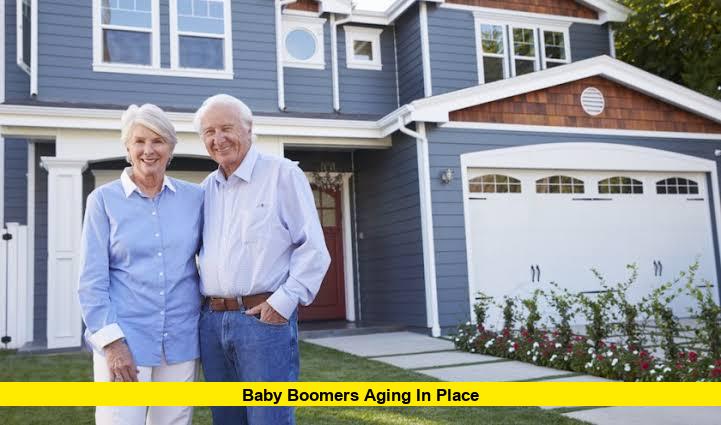
America’s largest generation is settling in for the long haul. Millions of baby boomers aging in place are choosing to remain in the homes they own rather than move to senior communities or care facilities. The decision is reshaping housing markets, family budgets and the demand for home care.
Staying home is popular. Making it work is harder than many households expect.
A Preference That Runs Deep
A national survey of adults 50 and older found that three in four want to remain in their current home for as long as possible. Nearly the same share want to stay in their neighborhood. The wish is stronger among people 65 and up, and among those in small towns and rural areas.
Doubt is creeping in, though. About 44% of adults in that age group still expect to move at some point. Housing costs top their list of reasons. Mortgage or rent payments, upkeep and property taxes are the most common pressures.
Another survey of older homeowners found that roughly 78% plan to stay where they are. About one in five expects to move to a 55-plus community. Around one in ten plans to live with adult children.
Why Leaving Feels Like a Bad Deal
For many boomers, the math favors staying. More than half of boomer homeowners no longer carry a mortgage. Selling would mean trading a paid-off house for a pricier one, with borrowing costs far above what many locked in years ago.
Comfort also counts. About half of those planning to stay say they simply like their home and see no reason to go. Roughly a quarter say the house is nearly or fully paid off.
Single-family living remains the ideal for most. Only a minority of older adults say they want a neighborhood built specifically for seniors.
The Ripple Effect on Housing
This choice does not happen in a vacuum. Empty-nest boomers hold about 28% of homes with three or more bedrooms. Millennial households with children hold about 14%.
That gap keeps larger homes off the market. Analysts say it adds to the tight supply that has frustrated younger buyers.
Many boomers are investing in their houses instead of selling them. Walk-in showers, brighter lighting, non-slip floors and wider walkways are now common renovation requests.
Most Homes Were Not Built for This
The typical American house was designed for younger, fully mobile residents. Fewer than 4% of homes offer single-floor living, a step-free entrance and wide hallways and doorways together. That estimate rests on somewhat dated housing data, so the true figure may have shifted.
Demand is climbing quickly. The population aged 65 and older grew from 43 million to 58 million in one decade. Researchers expect the number of households led by someone 80 or older to more than double by 2040.
About half of older adults say they will need modifications. Grab bars and entryway changes lead the list.
Falls: The Danger Inside the Walls
Safety is the central challenge. More than one in four older adults falls each year, and a single fall doubles the odds of another. Many never mention it to a doctor.
The trend is worsening. The age-adjusted fall death rate for older adults rose 21% from 2018 to 2024, reaching 78.4 per 100,000. More than 43,000 older Americans died from falls in 2024. Falls also send about 4.5 million people to emergency rooms each year.
Simple fixes work. Better lighting, secure rugs, handrails and bathroom supports address the most common hazards.
What Staying Home Costs
Support at home is not cheap. Recent national median figures put a non-medical caregiver at $35 an hour. At 44 hours a week, that totals about $80,080 a year. A private duty nurse averages $90 an hour.
Facilities carry their own price tags. Assisted living runs about $6,200 a month, or $74,400 a year. A semi-private nursing home room costs about $114,975 a year, and a private room about $129,575.
Part-time help usually beats those facility prices. Round-the-clock care can flip the equation, making a facility the cheaper choice for high-need patients.
The Coverage Gap Many Families Miss
Original Medicare does not pay for ramps, grab bars, stairlifts or widened doors. It also does not cover long-term custodial help with bathing, dressing and other daily tasks.
The program does cover limited skilled care. That includes up to 100 days in a skilled nursing facility after a qualifying three-day hospital stay, plus some doctor-ordered home health services.
Some Medicare Advantage plans include extra home-safety benefits. Coverage differs widely, so families should confirm details before relying on it. Open enrollment runs October 15 through December 7, with new coverage starting January 1.
Medicaid can fund in-home care through state waiver programs. Waiting lists are common, income and asset limits are strict, and states review five years of financial records. Local Area Agencies on Aging can explain the options and help with applications.
Technology Fills Some Gaps
Older adults increasingly turn to devices to stay independent. Medical alert systems, doorbell cameras, smart speakers and reliable home internet top many shopping lists.
Motion-activated lights, fall-detection sensors and medication reminders add another layer. Telehealth visits reduce trips to the doctor.
These tools help, but they do not replace human support. Neighbors, relatives and paid caregivers remain essential.
When Staying Is Not the Safest Choice
Housing researchers caution that staying put does not suit everyone. Some homes sit far from stores, clinics and friends. Some cannot be adapted at a reasonable cost. Emotional attachment can also blind families to real risks.
Experts suggest a candid annual review. Can the resident reach essential services without driving? Can the house handle reduced mobility? Is there money set aside for help?
How to Prepare Now
Planning while healthy pays off. Households should inspect the home for hazards and start with low-cost fixes. Ask an occupational therapist or certified aging-in-place specialist for a professional assessment before major spending.
Set a realistic care budget and review insurance coverage. Name a health care proxy and organize legal documents. Build a network of people who can step in.
Every household’s finances differ. A licensed elder law attorney or financial advisor can help match legal and money strategies to individual circumstances.
The trend shows no sign of slowing. As the oldest boomers reach their 80s, the gap between the homes they own and the support they need will define the next chapter of American aging.