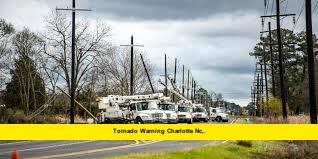
Severe weather concerns are rising across the Southeast as a powerful storm system moves through the region, increasing the risk of strong thunderstorms and possible tornadoes. The tornado warning charlotte nc situation has become a major focus for residents and emergency officials as unstable weather conditions develop across North Carolina and nearby states.
Meteorologists warn that the atmospheric setup across the Carolinas could support intense storms capable of producing damaging winds, heavy rainfall, and isolated tornadoes. These threats are part of a broader severe weather outbreak affecting multiple regions of the United States, where millions of people are under heightened alert due to dangerous spring storms.
Severe thunderstorms can intensify quickly, which is why residents across the Charlotte metro area are urged to closely monitor weather alerts and be ready to take shelter if conditions deteriorate.
Stay informed and share this update with friends and family in the Charlotte area so they can remain prepared as conditions evolve.
Severe Weather System Driving Storm Threat Across the Carolinas
A large and complex storm system is moving across the eastern United States, bringing a wide range of hazardous weather conditions. While the Midwest is experiencing heavy snow and strong winds, the southeastern states—including North Carolina—are facing the possibility of severe thunderstorms and tornado development.
Meteorologists explain that this storm system is fueled by a strong jet stream and unstable air flowing north from the Gulf of Mexico. When this warm, moist air collides with colder air moving in from the west, it creates ideal conditions for severe thunderstorms to form.
These storms can organize into powerful lines or rotating supercells capable of producing tornadoes. Areas stretching from South Carolina through parts of North Carolina have been highlighted as locations where damaging winds and tornado potential could develop.
Timing of the Severe Weather Risk
Weather models indicate that the strongest storms could develop during the afternoon and evening hours when atmospheric instability peaks. This timing raises concerns because severe weather could coincide with busy commuting hours and outdoor activities.
Forecasters say the region may experience two waves of storms. The first round could bring scattered thunderstorms earlier in the day, while the second round later in the afternoon or evening may carry the highest risk for severe conditions.
These storms may produce wind gusts exceeding 60 miles per hour, large hail, and localized flooding in addition to the possibility of tornado formation.
Why Charlotte Is Vulnerable to Rapid Storm Development
Charlotte sits in a region where weather systems from the Gulf of Mexico frequently interact with cold fronts moving across the Appalachian region. This geographic position can create the right ingredients for sudden severe weather.
Springtime weather patterns often feature sharp temperature swings, which can destabilize the atmosphere. When strong wind shear is present—meaning winds change direction and speed at different altitudes—thunderstorms can begin rotating.
Rotating storms are particularly concerning because they have the potential to produce tornadoes, sometimes with very little warning time.
Because of these factors, residents across the Charlotte metropolitan area must remain vigilant during severe weather outbreaks.
Impact on Power, Travel, and Daily Life
Severe storms moving through the Southeast have already caused disruptions in several states. Strong winds and lightning strikes have the potential to knock down trees and power lines, leading to outages that may last for hours or longer in affected areas.
Air travel and highway traffic can also be impacted when storms intensify. Heavy rainfall may reduce visibility for drivers, while gusty winds can make travel hazardous, particularly on major highways and bridges.
Emergency management officials often advise residents to secure outdoor items, charge electronic devices, and prepare for possible power interruptions when severe storms are forecast.
Understanding the Difference Between Watches and Warnings
Many residents hear weather alerts but may not always understand what they mean. Two common alerts issued during severe weather events are tornado watches and tornado warnings.
A tornado watch means conditions are favorable for tornado development. This alert typically covers a large geographic area and may remain in effect for several hours.
A tornado warning, on the other hand, indicates that a tornado has been detected by radar or sighted by observers. When this alert is issued, residents should immediately seek shelter in a safe location such as an interior room on the lowest floor of a sturdy building.
Understanding these alerts can make a crucial difference when storms move quickly.
Safety Tips During a Tornado Warning
If severe storms approach Charlotte and the tornado warning charlotte nc alert is issued, safety officials recommend acting immediately.
The safest place during a tornado is a basement or storm shelter. If those options are not available, residents should move to a small interior room on the lowest level of a building, away from windows.
Mobile homes and vehicles are especially dangerous during tornadoes, so occupants should seek stronger shelter as soon as possible.
Keeping a weather alert system on a smartphone or weather radio can help ensure residents receive warnings quickly.
What Residents Should Watch in the Coming Hours
Weather conditions can evolve rapidly during severe storm outbreaks. Even if storms begin as ordinary rain showers, they can strengthen quickly when atmospheric conditions support severe development.
Local emergency management officials encourage residents to monitor weather updates throughout the day and evening as storms approach the Carolinas.
Preparedness and awareness remain the best defenses when severe weather threatens.
Have you experienced severe storms in Charlotte before? Share your experience in the comments and stay tuned for the latest weather updates.