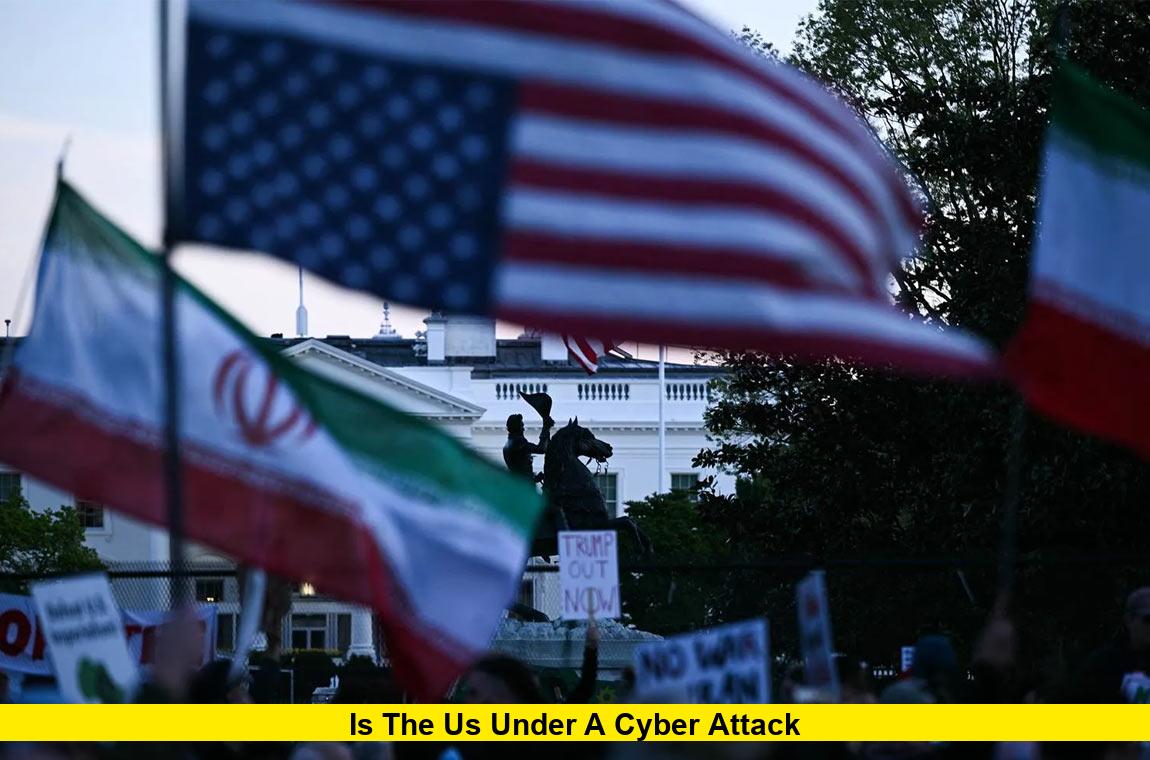
No — the United States is not currently experiencing a coordinated, nationwide cyber attack. Despite widespread speculation triggered by back-to-back disruptions to U.S. air travel and global Microsoft cloud services in mid-November 2026, federal officials and technology leaders have confirmed that both incidents were caused by internal technical failures rather than hostile hackers.
However, while neither of those high-profile outages was a cyber assault, U.S. critical infrastructure, local governments, and private businesses still face a persistent, daily wave of targeted ransomware and nation-state cyber threats. Understanding the difference between technical system failures and genuine cyber intrusions is essential for separating viral rumors from verified national security facts.
Why Americans Are Asking If the U.S. Is Under a Cyber Attack
Search interest around the question “is the us under a cyber attack” surged following two major infrastructure disruptions occurring within 48 hours of each other:
- The November 13 FAA Nationwide Ground Stop: On Friday afternoon, November 13, 2026, at roughly 4:00 p.m. ET, the Federal Aviation Administration (FAA) issued a rare nationwide ground stop halting all departing U.S. flights. It was only the second total nationwide departure halt since September 11, 2001, resulting in more than 10,000 flight delays and over 4,000 cancellations before U.S. airspace reopened at 8:15 p.m. ET.
- The Microsoft Outlook and Teams Outage: Beginning Thursday, November 12, and stretching for more than 24 hours into Friday, November 13, a massive Microsoft outage knocked Outlook, Teams, and Copilot offline for businesses, schools, and government agencies across the U.S. and worldwide.
Because both events unfolded almost simultaneously on Friday the 13th, social media rumors quickly linked the two disruptions as a coordinated cyber strike against American infrastructure.
Official Investigation Findings: Technical Failures, Not Hackers
Federal authorities and company engineers moved quickly to investigate both incidents and have publicly ruled out malicious cyber activity as the cause.
1. What Caused the FAA Ground Stop?Department of Homeland Security (DHS) Secretary Markwayne Mullin and Transportation Secretary Sean Duffy addressed the aviation shutdown directly, stating there is no indication of a cyber attack or nefarious act. According to federal briefings and aviation sources:
CBS News
- The outage stemmed from a telecommunications failure on the private network connecting America’s Air Route Traffic Control Centers, operated by defense contractor L3Harris. CBS News
- Introducing new security patches and technology updates into legacy routing hardware inadvertently overwhelmed the routers, forcing the system to reboot and crash.
- Mullin noted that intelligence agencies detected no threat actor chatter or digital footprints associated with a breach, though standard forensic reviews remain ongoing.
2. What Caused the Microsoft Outage?Microsoft confirmed that its 24-hour service disruption was unrelated to the FAA ground stop and was not caused by a cyber attack. Instead, the company attributed the failure to an internal technical error during a network capacity upgrade. When initial fixes brought servers back online, a sudden surge of millions of reconnecting users overwhelmed the infrastructure again, forcing engineers to throttle regional traffic and roll back software updates in stages. Microsoft is expected to release a full post-incident root-cause report once its review concludes.
The Real Cyber Threat Landscape Across the United States
While the headlines about planes and emails turned out to be software and hardware glitches, cybersecurity agencies emphasize that the U.S. remains under constant, lower-profile digital attack every day. Rather than a single “lights-out” national event, real-world cyber threats in America primarily target regional networks, municipal services, and corporate supply chains.
Recent advisories from the Cybersecurity and Infrastructure Security Agency (CISA) and the Federal Bureau of Investigation (FBI) highlight several active threat fronts:
- Ransomware Against Local Governments and Schools: Cybercriminal syndicates—including groups tracked under CISA advisories such as SafePay, Gunra, and Medusa—continue to target U.S. school districts, county administrations, and municipal utilities. Recent incidents in late 2026 have disrupted municipal systems and school operations in states including Massachusetts, Pennsylvania, Mississippi, California, New Hampshire, and Ohio.
- Critical Infrastructure Probing: Federal officials recently issued urgent warnings urging U.S. operators to harden industrial control systems, cold-chain refrigeration networks, and municipal water utilities against unauthorized remote access.
- Vulnerability Exploitation: CISA routinely adds newly exploited software flaws to its Known Exploited Vulnerabilities (KEV) catalog—including 11 critical vulnerabilities added in early November 2026 alone—warning organizations to patch unguarded entry points immediately.
- State-Sponsored Espionage and Cybercrime: Intelligence agencies continue to track foreign state-backed actors conducting credential phishing against government and campaign personnel, alongside financially motivated operations such as North Korean social-engineering schemes targeting U.S. tech and financial sectors.
Confirmed Facts vs. Unverified Speculation
When major outages hit the news, misinformation spreads faster than official technical diagnostics. Here is how current facts stack up against common rumors:
| Claim / Topic | Current Verified Status |
|---|---|
| FAA Flight Grounding (Nov. 13) | Confirmed Technical Outage: Caused by router overload during a communications network update; no evidence of hacking. |
| Microsoft 365 / Outlook Outage | Confirmed Internal Error: Caused by a network capacity upgrade bug and traffic surge; unrelated to the FAA incident. |
| U.S. Power Grid & Banking | Operating Normally: No nationwide cyber attack is affecting electrical grids or national banking networks. |
| Ongoing Cyber Threats | Confirmed & Active: Targeted ransomware, phishing, and software exploits remain an everyday threat to U.S. organizations. |
What Comes Next and How Americans Can Stay Prepared
Over the coming days and weeks, travelers and businesses should expect lingering operational ripple effects—not from hackers, but from recovery logistics. Airlines are working through Saturday and Sunday to reposition crews and clear passenger backlogs ahead of the busy Thanksgiving travel rush, while Microsoft continues clearing delayed email queues. Meanwhile, DHS and Transportation officials have renewed calls for Congress to approve $50 billion in infrastructure funding to modernize aging air traffic control hardware.
For everyday Americans, these disruptions are a practical reminder to maintain basic digital and travel resilience:
- Verify Critical Communications: Following major email outages, confirm time-sensitive wire transfers, medical appointments, or legal deadlines by phone rather than assuming an email went through.
- Protect Personal Accounts: Enable multifactor authentication (MFA) on email, banking, and wireless accounts to block credential theft and SIM-
- Watch for Outage-Themed Scams: Cybercriminals frequently send fake “account recovery” or “flight refund” phishing texts immediately after major outages. Always check flight statuses directly through airline apps or the official FAA airspace status page, and report suspicious cyber activity through the FBI Internet Crime Complaint Center (IC3).
- Keep Devices Updated: Install operating system and browser security patches promptly, as attackers rely heavily on known, unpatched software flaws.
Were your flights or workday disrupted by this week’s tech and travel outages—share your experience in the comments below and follow our coverage for verified updates.