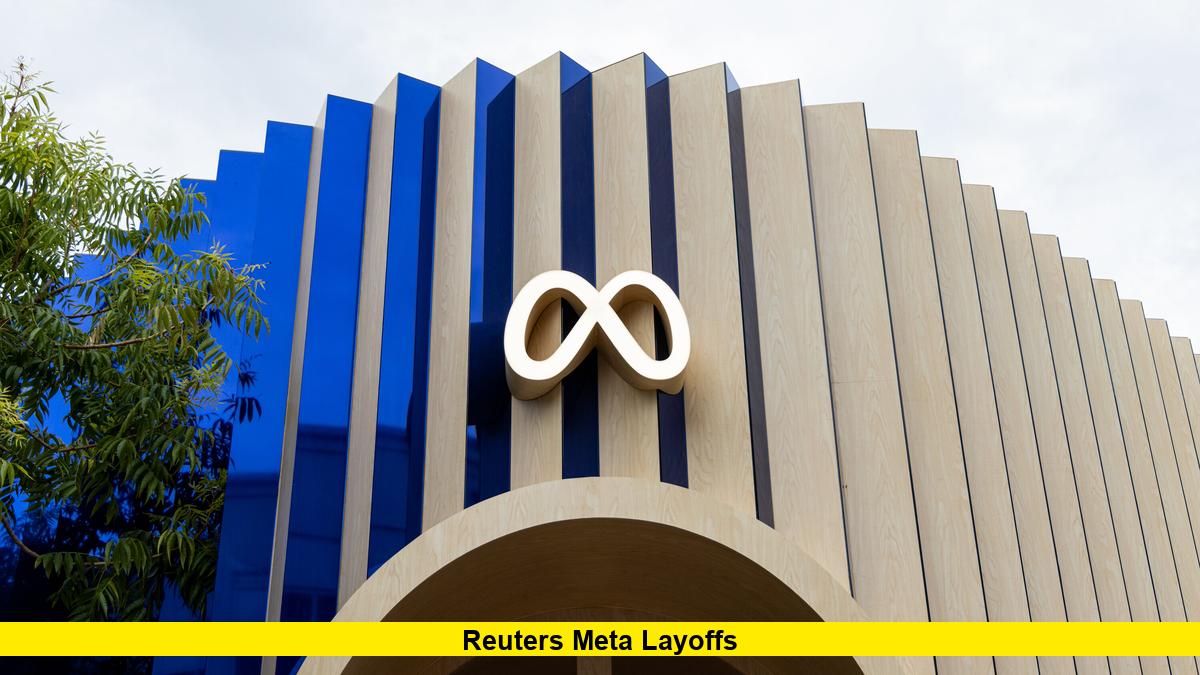
The tech world woke up to a bombshell on March 13, 2026. Reuters broke an exclusive report that Meta is planning sweeping layoffs that could affect 20% or more of the company’s entire workforce — a move that sent shockwaves from Silicon Valley to Wall Street. With nearly 79,000 employees on Meta’s payroll as of late 2025, that could mean more than 15,000 people losing their jobs in a single wave. The internet exploded. Engineers, investors, and everyday users couldn’t stop talking about the Reuters Meta layoffs story, and the conversation shows no sign of slowing down.
Here’s what everyone is saying — and why this moment could redefine the future of Big Tech.
What Sparked the Conversation
It started with a single word: sweeping.
Reuters reported that three anonymous sources confirmed Meta’s leadership had quietly instructed senior executives to begin planning significant workforce reductions. The driver? Enormous, eye-watering costs tied to artificial intelligence infrastructure. Meta has committed to hundreds of billions in data center investments, and with AI-assisted workers increasingly capable of handling more tasks, the company appears ready to make humans pay the price.
This isn’t Meta’s first rodeo. Back in 2022, Zuckerberg cut 11,000 jobs in what he called a “year of efficiency.” Then in early 2025, another 5% — roughly 3,600 employees — were shown the door, many labeled “low performers.” But sources say this new round is different. It’s not about performance reviews. It’s about cold, calculated strategy.
The Moment People Noticed Something Different
What grabbed people’s attention this time was the scale and the silence.
Unlike previous rounds where Meta issued explanations and framed cuts around performance, this leak came with almost no public comment from the company. Meta did not immediately respond to Reuters’ request for comment. That silence, to many observers, was deafening.
Workers on professional forums began connecting the dots — pointing to Meta’s recent AI setbacks, including reports that its Llama 4 model lineup underperformed expectations, and that a flagship model internally called “Behemoth” was quietly abandoned. The mood inside the company, according to insiders, shifted from cautious optimism to quiet dread.
Are you following the Meta story? Drop your thoughts below — thousands of readers are weighing in right now.
The Numbers That Went Viral
Within hours of the Reuters report, one number dominated every headline: 20%.
Twenty percent of Meta’s workforce. Twenty percent of nearly 79,000 employees. The math is brutal — up to 15,800 jobs potentially on the chopping block.
For context, this would be the largest single layoff event in Meta’s history, dwarfing even the 11,000 cuts in 2022. Tech workers flooded social media with screenshots, salary calculators, and panicked posts. The hashtag trend around Meta’s layoffs became one of the fastest-moving topics of the day. Industry analysts noted that Meta’s move followed a broader tech pattern — over 53,000 tech workers across 158 companies have already been cut in early 2026 alone.
The numbers didn’t just trend. They terrified.
What Sources and Insiders Actually Said
Three anonymous sources told Reuters directly: Meta’s top executives have been told to start planning the reductions. No date has been confirmed. No official memo has surfaced yet.
But the whispers from inside Meta’s walls have been growing louder for months. Employee forums and internal discussions revealed a creeping anxiety even before this report. One Reality Labs employee noted, after the January 2026 round of 1,500 Reality Labs cuts, that the company felt “like it was holding its breath.”
CTO Andrew Bosworth had attempted damage control after earlier cuts by holding a mandatory in-person all-hands meeting to explain the company’s strategic direction — a pivot away from the metaverse and toward AI-powered wearables and superintelligence research. But with Reality Labs having reportedly lost over $73 billion in cumulative losses, many insiders say the math was always going to catch up eventually.
Some long-tenured employees described the atmosphere as a “crisis of trust” — not knowing whether their position would survive the next planning cycle, regardless of performance.
Why This Story Is Trending Again — And Bigger Than Ever
The Reuters Meta layoffs story isn’t trending because it’s surprising. It’s trending because everyone saw it coming — and no one could stop it.
Meta is caught between two massive forces: the soaring cost of building AI infrastructure and the growing capability of AI to replace the workers who once built it. It’s a paradox playing out in real time across Silicon Valley, and Meta is now the clearest example of it.
Beyond Meta, the broader tech sector has already shed over 53,000 jobs in the first months of 2026. AI was the cause of nearly 55,000 U.S. layoffs in 2025 alone. What made this story detonate across social media is the feeling that no title, no seniority, no loyalty is a shield anymore. Senior engineers, specialized researchers, and high-performers alike have been caught in previous cuts.
People aren’t just sharing the Reuters story because they’re curious about Meta. They’re sharing it because they’re scared — for their own jobs, their industries, and what AI-driven corporate strategy means for the workforce of tomorrow.
This story is moving fast — share it with someone who needs to see it, and tell us: do you think Meta’s AI gamble is worth the human cost?