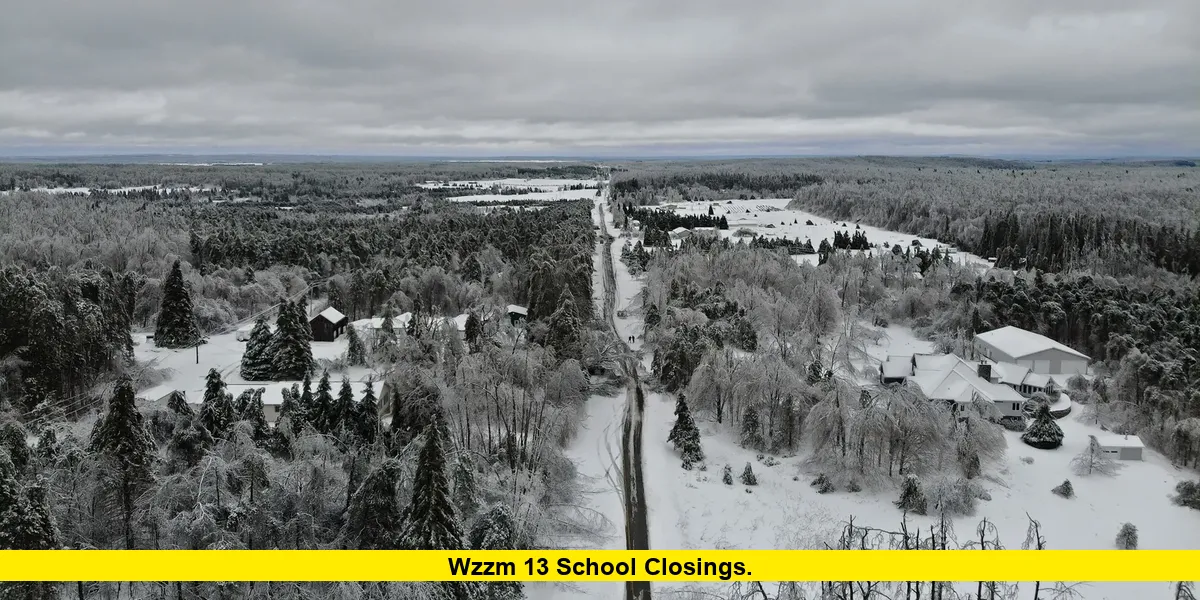
Families across West Michigan began their day with urgent notifications, early-morning alerts, and sudden changes in routine as a wave of closures and delays swept through multiple school districts. The rapid rise of wzzm 13 school closings has become a focal point for parents trying to understand how winter conditions and unexpected crises are affecting student safety, community schedules, and district operations. With more districts updating their status by the hour, today’s scene reflects a region balancing weather threats, emergency responses, and the needs of families who are left adjusting with little notice.
Below is a fresh, fully detailed account of today’s verified developments and what they mean for households across the state.
A Chaotic Start to the Day as Winter Weather Intensifies
West Michigan woke up to freezing drizzle, overnight snowfall, and slippery roads that pushed several districts to close or delay classes. Transportation crews reported that many rural roadways were coated with packed snow and ice, making bus travel unsafe. Even in areas where snowfall was lighter, the early-morning freeze created patches of black ice that made driving difficult for staff and students.
Multiple counties experienced the brunt of these conditions, including those in the Thumb region, where dozens of schools made the decision to shut down completely. Several districts reported they could not clear parking lots or sidewalks in time for safe student entry, prompting them to call off operations for the day.
Superintendents emphasized that the combination of snow and freezing drizzle created unpredictable conditions. Even areas that appeared manageable after sunrise continued to worsen as more moisture in the air froze along untreated surfaces. For schools with long bus routes or rural pick-up locations, the decision to close became inevitable.
Parents and Students Scramble as Schedules Shift Unexpectedly
The surge in closures created immediate ripple effects for families across the region. Parents preparing for their morning commute suddenly found themselves adjusting child care arrangements, coordinating with neighbors, or transitioning children into at-home learning environments.
Short paragraphs from community feedback highlighted several common challenges:
- Some households had to reorganize work schedules with minimal notice.
- Students preparing for midweek exams or holiday events were uncertain when activities would be rescheduled.
- Families relying on school meals made alternate plans to ensure children had breakfast and lunch at home.
These abrupt changes underscore how even a single snow day can disrupt the rhythm of daily life — especially when closures extend across multiple counties simultaneously.
A Non-Weather Emergency Deepens the Sense of Community Shock
While weather-related closures dominated much of the morning news, another district announced a closure tied to a heartbreaking incident involving a student. A school within the Battle Creek area suspended operations for the day to support its students and staff following the sudden death of a young community member.
Administrators explained that the closure was necessary to provide emotional space for families and faculty to process the event. Mental health services were arranged, and district leaders shared that grief support would continue when classes resume. With students and staff deeply affected, the decision reflected a commitment to well-being and compassion during a difficult moment.
Emergency closures of this nature reinforce that school interruptions are not always tied to storms or logistics. Sometimes, they reflect the heart of a community navigating tragedy and prioritizing emotional care above academic schedules.
Transportation Barriers Lead to District-Wide Delays
Even in districts that remained open, several schools implemented two-hour delays to allow time for improved road conditions. Transportation officials worked through the early morning hours treating intersections, clearing snowy shoulders, and inspecting bus routes to ensure drivers could navigate them safely.
For secondary schools with early start times, delays helped avoid the most dangerous travel window — from 5:30 to 7:00 a.m. — when the combination of freezing drizzle and cold pavement produced the worst ice accumulation. Elementary schools also benefited, as later routes allowed sunlight to help melt thin layers of ice on bus stops and sidewalks.
Despite improvement later in the morning, officials strongly cautioned families to take extra time on the roads and remain alert for shifting weather patterns.
Local Businesses and Community Centers Step In to Support Families
Several local organizations responded to the surge in closures by offering temporary assistance. Community centers opened their doors earlier than usual, youth programs offered drop-in supervision, and some recreational facilities provided warm spaces for students who could not remain at home.
These informal networks often play a crucial role during winter closures, especially for essential workers who must report to their jobs despite school shutdowns. Local leaders emphasized that community involvement strengthens emergency preparedness and eases the burden on families navigating sudden adjustments.
Why West Michigan Is Particularly Vulnerable to Sudden Winter Closures
The region’s geography and weather patterns make it especially susceptible to sudden changes in winter conditions. Lake-effect snow can develop quickly, sometimes shifting from light flurries to heavy accumulation within an hour. Temperature swings — from mild afternoons to freezing overnight lows — often create hazardous morning travel conditions.
School districts must weigh these variables daily. Safety concerns such as:
- visibility during early bus routes
- icy rural roads
- untreated parking areas
- frigid wind chills for students waiting at stops
all contribute to closure decisions.
This morning’s events captured the complexity of managing school operations in a region where weather can change rapidly and without long lead times.
Families Turn to Verified Sources for Timely Updates
As closings accelerated, families relied heavily on official, real-time lists to track their district’s status. Many parents refreshed the information repeatedly throughout the morning — especially those with children in multiple schools or shared custody arrangements.
Districts encouraged families to:
- monitor official announcements
- check for automated text or call alerts
- prepare alternate transportation plans if delays continued
- remain cautious even after roads appeared clear
Amid rising searches, many households were specifically looking for verified updates connected to the increased volume of wzzm 13 school closings, underscoring the need for reliable and timely communication.
Educational Impact: What Today’s Closures Mean for the Week Ahead
Interruptions during the winter months can influence academic schedules, extracurricular planning, and testing windows. Teachers may shift lesson plans, adjust assignments, or modify deadlines to accommodate students affected by the closures.
Some districts may consider:
- adding instructional time later in the year
- adjusting professional development days
- reorganizing semester deadlines
While a single closure may not significantly disrupt learning, consecutive winter interruptions can create challenges as schools approach state testing and end-of-semester deadlines.
Mental Health and Community Support Take Center Stage
When a school closes in response to a tragic event, emotional recovery becomes a primary focus. Counselors and school psychologists often coordinate with staff to ensure students have a safe space to process their feelings when classes resume.
Families are encouraged to talk openly with their children about grief, safety, and mental health resources. Administrators reiterated that community care is essential during times of loss, and they remain committed to providing ongoing support.
Preparing for More Closures as Winter Weather Continues
Forecasters warn that winter conditions could persist into the coming days, bringing the possibility of additional districts joining the growing list of closures and delays. Parents are encouraged to remain prepared with backup child-care plans and to continue monitoring weather advisories.
Schools will continue assessing road conditions, staffing availability, and safety concerns each morning before releasing their daily decisions. Officials emphasized that student safety will remain the top priority, even when closure decisions are difficult or disruptive.
How have today’s sudden closures affected your schedule or family plans? Share your thoughts — your insights help our community stay informed and prepared.