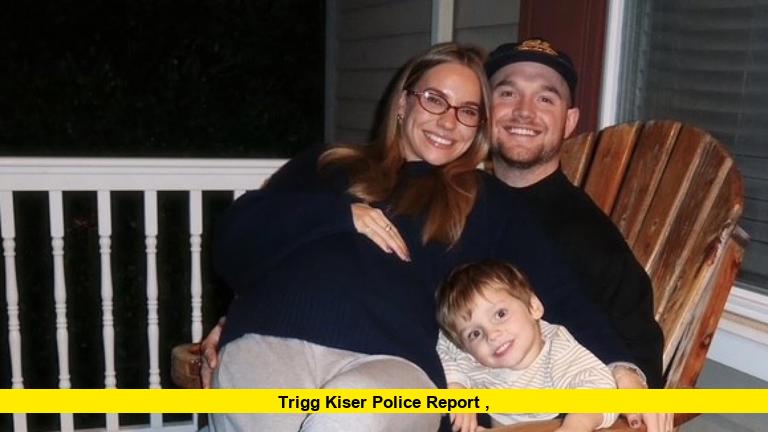
The Trigg Kiser police report will remain partially sealed after the Arizona Superior Court for Maricopa County ruled in Emilie Kiser’s favor on an order to redact two pages from the Chandler Police Department (CDP) report on the death of her 3-year-old son, Trigg. This significant legal victory comes months after the tragic incident that claimed the toddler’s life.
The court ruling addresses concerns about protecting the family’s privacy during an incredibly difficult time. Emilie’s legal team submitted a request to remove the pages in late July, arguing that details within them could be used to create “disturbing” content about Trigg—who passed away from his injuries six days after the incident—through reenactments with artificial intelligence.
Background of the Tragic Incident
Trigg Kiser, the influencer’s firstborn son, died on May 18 after accidentally drowning in a backyard pool. The three-year-old was found unresponsive at the family’s Chandler, Arizona home. The incident occurred while his father Brady Kiser was caring for their newborn child.
The tragedy sent shockwaves through the social media community where Emilie Kiser has built a substantial following. The family faced intense public scrutiny in the wake of the accident, prompting legal action to protect their privacy.
Legal Battle for Privacy
Emilie Kiser’s fight to seal portions of the investigation began shortly after her son’s death. Due to Emilie’s social media persona, she initially filed a lawsuit on Tuesday, May 27, in Arizona Superior Court for Maricopa County to keep records about Trigg’s death out of public view.
The legal team argued that the redacted pages contained what they described as graphic details of the child’s final moments. A judge ruled in Emilie Kiser’s favor to redact pages from a police report describing what her lawyer called “graphic final moments” of her 3-year-old son Trigg Kiser, who drowned in the family pool.
Court documents revealed the family’s deep concern about potential misuse of sensitive information. The request specifically mentioned fears about artificial intelligence being used to create disturbing reenactments of the tragedy.
Investigation Outcomes
While portions of the Trigg Kiser police report remain sealed, the investigation itself reached significant conclusions. Police initially recommended charges against Brady Kiser, but prosecutors ultimately decided not to pursue the case.
Two weeks after prosecutors opted not to charge the influencer’s husband Brady Kiser with child abuse in the May drowning of their 3-year-old, the Arizona Superior Court for Maricopa County granted the request to redact specific pages from the official report.
The decision not to file charges came after extensive investigation by the Chandler Police Department. However, the sealed portions of the report reportedly contain details that led to the initial recommendation for charges.
Privacy Concerns in the Digital Age
This case highlights growing concerns about privacy rights in an era of social media influence. The Kiser family’s legal strategy focused on preventing the creation of exploitative content using details from their personal tragedy.
Their lawyers emphasized the unique challenges faced by public figures dealing with private grief. The case sets a precedent for how courts might handle similar requests from families seeking to protect sensitive information from public scrutiny.
The redaction order specifically addresses concerns about modern technology’s potential to exploit tragic circumstances. The mention of artificial intelligence in court filings reflects contemporary fears about deepfakes and unauthorized digital recreations.
Moving Forward
The court’s decision provides some measure of protection for the grieving family while maintaining transparency in public records. The sealed portions represent only two pages of a much larger investigation file.
Emilie filed to censor the report on July 29, and the successful outcome demonstrates the legal system’s willingness to balance public access with family privacy rights during tragic circumstances.
The ruling allows the family to begin healing while ensuring that the most sensitive details of their son’s death remain private. This decision may influence how similar cases are handled in the future, particularly those involving public figures and social media personalities.
What are your thoughts on balancing public transparency with family privacy in high-profile cases? Share your perspective in the comments below.