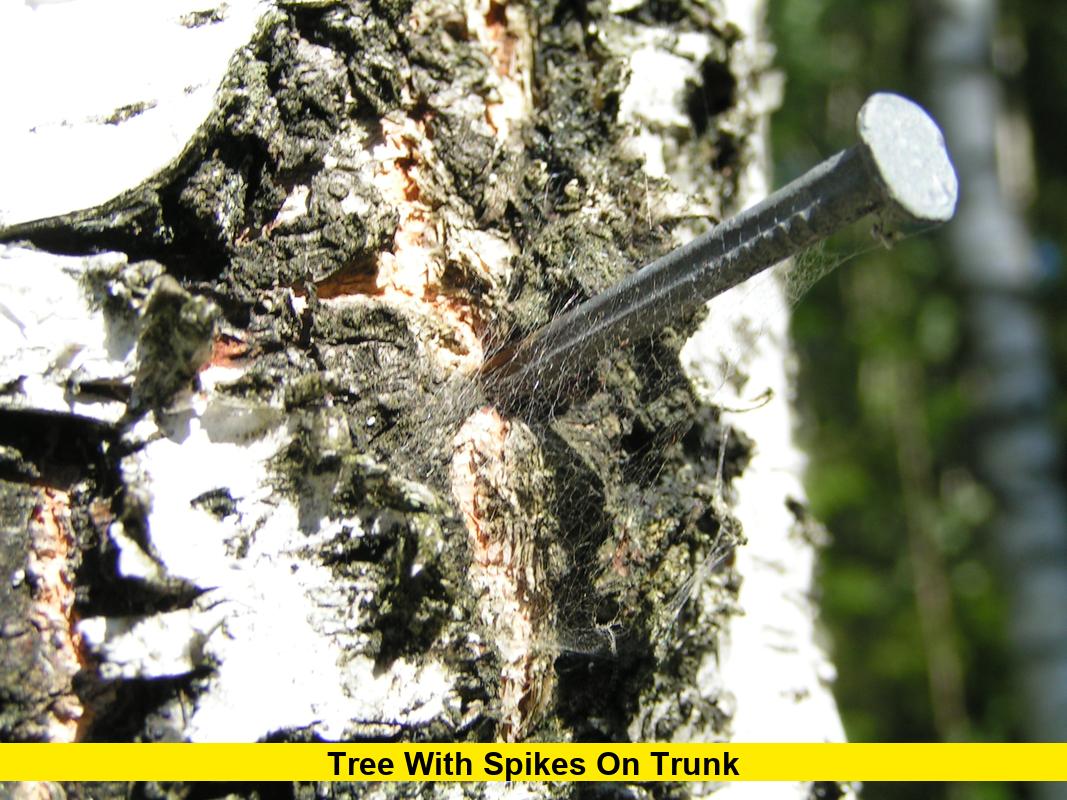
The tree with spikes on trunk has drawn growing attention across the United States as more people encounter these unusual trees in parks, neighborhoods, and natural landscapes. Characterized by sharp protrusions, thorns, or cone-shaped spikes emerging directly from the bark, these trees often spark curiosity and concern. Recent verified observations and updated arborist guidance confirm that these spikes are not signs of disease or damage but natural features tied to specific tree species and long-standing ecological adaptations.
Understanding why certain trees develop spiked trunks, how to identify them correctly, and how they should be managed has become increasingly important for homeowners, landscapers, and nature enthusiasts.
What Defines a Tree With Spikes on Trunk
A tree with spikes on trunk refers to tree species that naturally grow sharp thorns or spines directly from the trunk and lower branches. These spikes can range from small, needle-like protrusions to large, hardened thorns several inches long. Unlike surface bark textures or cracking, these spikes are deliberate growth structures formed as part of the tree’s anatomy.
The primary purpose of these spikes is defense. They help protect the tree from animals that might chew on the bark, climb the trunk, or strip foliage. Because the trunk contains critical tissues that transport water and nutrients, defending it is essential for survival.
Common Trees Known for Spiky Trunks
Honey Locust
One of the most widely recognized examples of a tree with spikes on trunk in the United States is the Honey Locust. In its natural form, this tree develops dense clusters of sharp, reddish-brown thorns along its trunk and branches. These thorns can grow several inches long and often branch into multiple points.
While many modern landscape varieties are bred to be thornless, wild Honey Locust trees retain their spikes. These defenses likely evolved to deter large animals that once roamed North America and fed on bark and seed pods.
Silk Floss Tree
The Silk Floss Tree is another striking example. Its trunk is often covered in thick, conical spikes that give it an armored appearance. These spikes are especially prominent when the tree is young and gradually become less noticeable as the tree matures.
In addition to its spiky trunk, the Silk Floss Tree is known for its large pink flowers and swollen trunk structure, making it a visually dramatic presence in warm-climate landscapes.
Sandbox Tree
In tropical and subtropical regions, the Sandbox Tree stands out as one of the most extreme cases of a tree with spikes on trunk. Its bark is densely covered with sharp, pyramid-shaped spikes designed to prevent animals from climbing or damaging the tree.
This tree is also known for its rapid growth and wide canopy, making its defensive trunk especially important during early development stages.
Why Do Some Trees Develop Spikes on Their Trunks
Spikes on tree trunks are the result of evolutionary pressure. Trees cannot move away from danger, so they rely on physical and chemical defenses to survive. Spiky trunks deter animals from climbing or chewing on bark, which can interrupt nutrient flow and expose the tree to infection.
These defenses are most common in environments where browsing animals pose a significant threat. Over time, trees with better physical protection were more likely to survive and reproduce, passing these traits to future generations.
Natural Spikes vs. Human-Caused Damage
It is important to distinguish between natural trunk spikes and damage caused by human activity. Natural spikes grow outward from the bark as part of the tree’s structure and do not harm the tree. In contrast, puncture wounds caused by tools or climbing equipment can compromise tree health.
Professional arborists caution against using metal climbing spikes on healthy trees. Each puncture creates an opening that may allow pests, fungi, or disease to enter. Best practices recommend avoiding artificial spikes unless a tree is being removed or is already dead.
Tree Health and Maintenance Considerations
Trees with spiky trunks do not require special treatment solely because of their spikes. However, their presence does affect how trees should be handled and maintained.
Pruning should be performed carefully to avoid injury, and protective gear is often necessary. Property owners should also consider placement, as these trees may pose safety risks in high-traffic areas or near walkways.
Despite their intimidating appearance, spiked trunks do not indicate poor health. In fact, many of these trees are highly resilient and well-adapted to their environments.
Role in Local Ecosystems
A tree with spikes on trunk plays a meaningful role in its ecosystem. By reducing browsing pressure, these trees help maintain plant diversity and provide stable habitat structures. Birds, insects, and small mammals often benefit from the reduced disturbance around these protected trees.
Spikes can also influence how animals interact with the landscape, shaping feeding patterns and movement routes in subtle but lasting ways.
Urban and Residential Landscapes
As urban expansion continues, people are encountering spiky-trunked trees more frequently in developed areas. Some municipalities plant thornless varieties of traditionally spiked trees to reduce risk, while others preserve native forms for ecological value.
Homeowners considering planting one of these trees should evaluate space, safety, and long-term maintenance. While visually striking, a tree with spikes on trunk may not be suitable for every yard.
Safety Awareness for Families and Pets
Safety remains a key consideration. The spikes on these trees can cause injury if touched or climbed. Families with children or pets should ensure adequate distance and educate household members about avoiding direct contact.
Clear signage or thoughtful landscape design can help reduce accidental injuries while still allowing appreciation of the tree’s unique structure.
Why Interest in Spiky Trunks Is Growing
Interest in unusual tree features has increased as people seek to better understand the natural world around them. Social media, nature photography, and outdoor recreation have contributed to renewed curiosity about trees that look intimidating yet serve vital ecological functions.
The tree with spikes on trunk stands as a reminder that nature often balances beauty with defense.
Understanding and Respecting These Trees
Recognizing that spiked trunks are a natural adaptation helps shift perception from fear to appreciation. These trees are not dangerous by default; they are simply well-equipped to survive in their environments.
With proper knowledge and care, they can coexist safely with people while continuing to support wildlife and biodiversity.
Have you encountered a tree with spikes on trunk in your area? Share your experience or questions below and stay connected for more nature insights.