For decades, the go-to solution for sleep apnea was strapping on a CPAP mask every night — a bulky, noisy device that millions of Americans quietly abandoned. Now, a new generation of sleep apnea drug options is rewriting the rulebook, and the internet is buzzing with questions about what this means for the roughly 80 million U.S. adults living with the condition.
The conversation is moving fast, and if you or someone you love has struggled with sleep apnea, you’ll want to keep reading.
Why Everyone Is Suddenly Talking About This
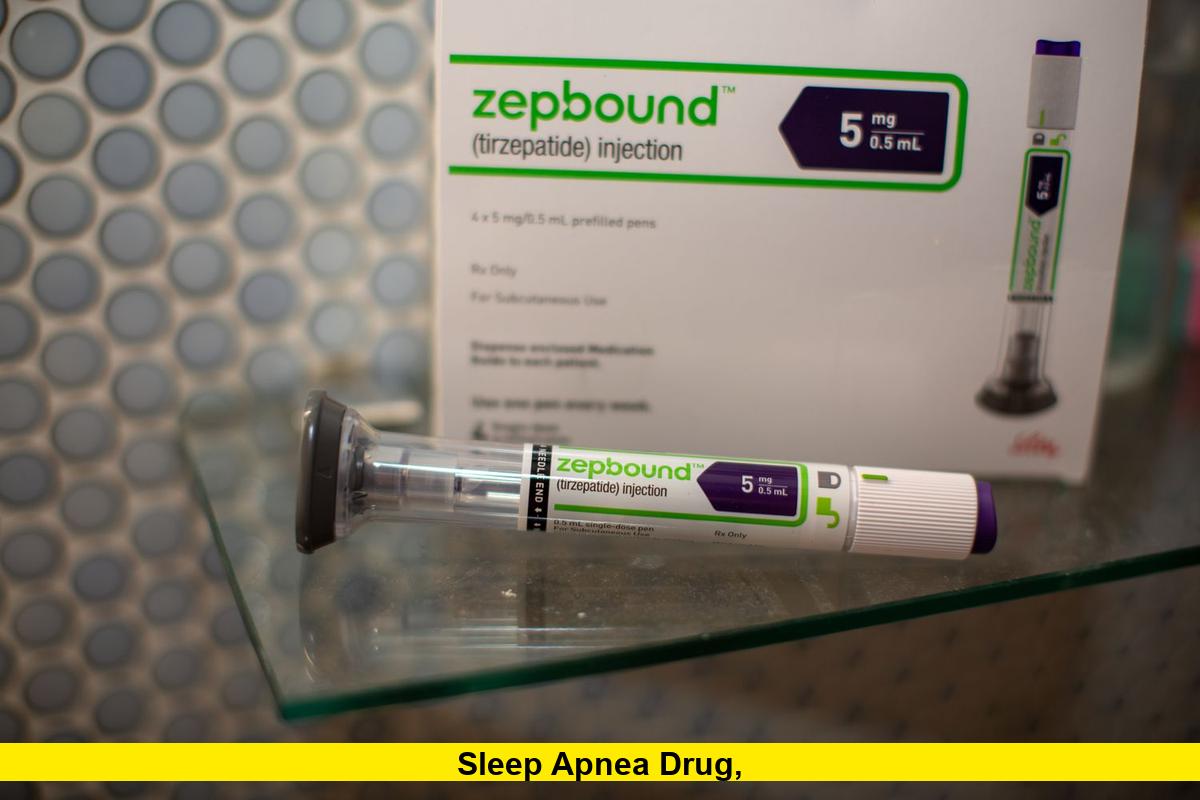
The trigger is a one-two punch of medical breakthroughs hitting at nearly the same time. First came Zepbound — the weight-loss injection already famous for its role in the obesity drug revolution — which received FDA approval in December 2024 as the very first prescription medication ever cleared specifically for obstructive sleep apnea. Then, just months later, a Cambridge-based pharmaceutical company announced that a simple once-daily pill called AD109 passed not one but two landmark Phase 3 clinical trials, with an FDA application expected in early 2026.
Together, these two developments represent the biggest shift in sleep medicine in a generation.
What Is Obstructive Sleep Apnea, and Why Does It Matter So Much?
Obstructive sleep apnea is far more serious than loud snoring. It’s a condition where the airway repeatedly collapses during sleep, causing a person to stop breathing — sometimes hundreds of times per night. Each episode drops blood oxygen levels, jolts the brain partially awake, and puts enormous strain on the heart.
Left untreated, sleep apnea is linked to high blood pressure, heart disease, stroke, diabetes, depression, and a significantly increased risk of accidents caused by chronic fatigue. Despite how widespread it is, the majority of people with the condition either go undiagnosed or abandon the CPAP therapy their doctors prescribe, largely because wearing a mask every night is uncomfortable and disruptive.
That compliance problem is exactly what makes these new drug options so significant.
Zepbound: The Weight-Loss Drug That Became a Sleep Apnea Breakthrough
On December 20, Eli Lilly announced FDA approval of Zepbound (tirzepatide) as the first and only prescription medication for adults with moderate-to-severe obstructive sleep apnea and obesity.
The drug works by targeting two hormones — GIP and GLP-1 — to regulate appetite and metabolism. As patients lose significant weight, the excess fat tissue around the throat and neck that contributes to airway collapse is reduced, directly improving sleep apnea symptoms.
The clinical results were striking. Patients on Zepbound lost an average of 45 pounds over the course of a year, and up to 50% of patients experienced remission or mild, non-symptomatic sleep apnea after 12 months of treatment. For people who had been suffering for years, those numbers landed like a thunderclap.
The Once-Daily Pill That Could Be Next
While Zepbound grabbed early headlines, another sleep apnea drug is now generating enormous anticipation. AD109, developed by Apnimed, works differently — it doesn’t target weight at all. Instead, AD109 is a first-in-class neuromuscular modulator that targets the root cause of sleep apnea by increasing upper airway muscle tone during sleep.
In plain terms: it trains the muscles in the throat to stop collapsing at night.
The Phase 3 SynAIRgy trial — considered the largest drug trial for sleep apnea — included 646 adults with the condition who were unable to tolerate or were refusing CPAP therapy. AD109 met its primary goal of significantly reducing breathing interruptions per hour, and a second independent trial confirmed those results.
Apnimed plans to file a New Drug Application with the FDA in early 2026, with the goal of delivering the first oral pharmacotherapy to over 80 million U.S. adults with sleep apnea. Apnimed
How the Internet Is Reacting
Social media threads and health forums have erupted with people sharing their own CPAP frustrations and wondering whether they might finally qualify for a pill instead of a mask. Patients with obesity who already take GLP-1 medications for weight loss are asking their doctors whether Zepbound could double as sleep apnea treatment. Meanwhile, those who don’t have obesity-related sleep apnea are following the AD109 story closely, hopeful that an approved pill for the broader population could be just around the corner.
Sleep specialists are also weighing in publicly, noting that personalized treatment — matching the right therapy to each patient’s specific biological cause of sleep apnea — is now finally becoming a reality rather than just a distant goal.
Why This Story Keeps Building Momentum
The ongoing buzz comes down to one simple truth: CPAP therapy has a notoriously high dropout rate, and for years, doctors had no real alternative to offer patients who couldn’t stick with it. Now, two completely different pharmaceutical mechanisms are emerging within months of each other, covering different patient profiles and tackling the condition from entirely different biological angles.
For tens of millions of Americans who have been sleeping poorly — and quietly accepting it — that represents a turning point.
What to Watch for Next
The most immediate development to follow is the FDA’s review process for AD109, which Apnimed is expected to formally initiate in early 2026. If approved, it would mark the first oral pill specifically designed to treat the neuromuscular root cause of sleep apnea in adults with and without obesity — a much broader patient population than Zepbound currently covers.
Doctors are also watching to see how insurance coverage for Zepbound’s sleep apnea indication evolves, given that the drug currently carries a list price of over $1,000 per month without assistance. Affordability remains a major factor in whether these breakthroughs translate into real-world change for everyday patients.
What is clear is that sleep medicine is entering a new era — one where a CPAP machine is no longer the only answer.
If this story hits close to home, share it with someone who deserves better sleep and stay tuned as this rapidly developing story continues to unfold.