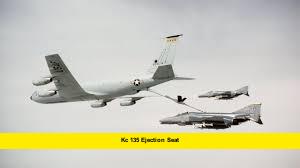
A U.S. Air Force KC-135 Stratotanker went down over western Iraq on March 12, 2026 — and one detail stopped the internet cold: the crew had no KC-135 ejection seat system to save them. No ejection seats. No parachutes. Just six service members aboard a 70-year-old airframe with no way out.
The crash, which occurred during Operation Epic Fury — the largest U.S. military operation in a generation — has forced millions of Americans to ask a question that military families have quietly wrestled with for years: why are tanker crews flying into danger with fewer survival options than almost anyone else in the sky?
This story is developing fast, and the answers are more complicated — and more troubling — than most people expected.
Quick Context: What Is the KC-135 and Why Does It Matter?
The KC-135 Stratotanker is the backbone of U.S. air power. Without it, fighter jets, bombers, and surveillance aircraft cannot reach their targets. During Operation Epic Fury, dozens of KC-135s surged to the Middle East to extend flight range for aircraft striking Iranian targets.
The aircraft first entered service in 1957, built on a modified Boeing 707 commercial airframe. It carries a standard crew of three, though reports confirm six service members were aboard the downed aircraft on Thursday.
Timeline: How This Story Developed
The crash unfolded fast. Earlier on March 12, CENTCOM shared photos of a KC-135 refueling a Navy F/A-18F Super Hornet over the Middle East. Hours later, a separate KC-135 had gone down in western Iraq after an incident involving another aircraft — later reported to be a second KC-135.
One aircraft went down. One landed safely. CENTCOM confirmed the incident was not caused by hostile fire or friendly fire, pointing toward a mid-air mechanical mishap during a refueling sortie.
The loss appears to be the first time a KC-135 has crashed in support of combat operations since May 3, 2013, when one went down over northern Kyrgyzstan, killing all three crew members aboard. Air Force
What People Noticed — and Couldn’t Stop Talking About
Within hours of the announcement, one devastating contrast spread across every major platform.
Just days earlier, three F-15E Strike Eagles were lost in a friendly-fire incident over Kuwait. All six F-15 crew members ejected and were safely recovered. X Those pilots had ejection seats. The KC-135 crew had nothing comparable.
The KC-135 does not have ejection seats, and its crew members no longer carry parachutes for manual bailout. AIRLIVE The Air Force removed parachutes from the fleet in 2008 after determining that a successful bailout from a large pressurized tanker was statistically unlikely. Military assessments concluded that if a tanker is stable enough for a crew to bail out, it is generally stable enough to attempt an emergency landing — which offers higher survival odds.
That logic made sense on paper. In a sudden catastrophic mid-air collision, it offers very little comfort.
This story is still developing — follow along as new details about the crew and investigation emerge.
Social Media Reaction: Outrage, Grief, and Hard Questions
Online reaction was swift and emotional. Veterans, military families, and everyday Americans flooded social media with shock and grief.
Many posts drew direct comparisons to the F-15 crews who safely ejected just days earlier. The phrase “no ejection seat” trended nationally throughout the evening. Defense forums lit up with former aircrew members explaining the design history. Some posts were blunt: how is this still acceptable in 2026?
Aviation trackers noted that one of the KC-135s involved had squawked emergency code 7700 — the universal distress signal — earlier in the day before the incident, adding another layer of tragedy to the timeline.
What the Military Actually Said
CENTCOM confirmed that the incident occurred in friendly airspace during Operation Epic Fury and that rescue efforts were ongoing. “We ask for continued patience to gather additional details and provide clarity for the families of service members,” the statement read. Military Times
Officials confirmed no hostile or friendly fire was involved. No information on survivors was released as of Thursday evening.
Why This Story Keeps Gaining Momentum
This crash lands in the middle of an already deeply divisive moment. Operation Epic Fury launched on February 28, 2026, and has already claimed seven American lives in combat, with roughly 140 service members wounded. Public opposition to the operation has been significant from the start.
The KC-135 survivability gap is not new — but this crash made it impossible to ignore. The aircraft is nearly seven decades old. Its crews fly the most operationally critical missions in any large-scale U.S. air campaign. And when something goes wrong at altitude, their options are brutally limited.
The contrast with fighter crews is stark, and Americans are not letting it go.
What to Watch Next
Rescue operations in western Iraq remain active. The Air Force will launch a formal accident investigation. Expect scrutiny of the KC-135’s age, its fleet readiness rates, and — most urgently — what crew survivability improvements, if any, are possible on large tanker aircraft operating in active combat zones.
The families of those six service members are waiting. The country is watching.
Tell us what you think — should the U.S. military prioritize upgrading tanker crew survivability systems, and what do you believe the Air Force owes these crews? Share your thoughts and keep following this story as it develops.