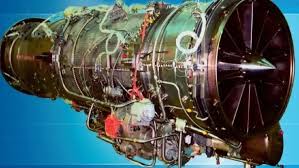
The Kaveri engine, India’s ambitious indigenous jet engine project, has ignited a firestorm of excitement on social media in May 2025. On May 26, netizens, defense enthusiasts, and experts rallied behind the hashtag #FundKaveriEngine, making it a top trend on X. This surge reflects a growing public demand for the government to prioritize funding and accelerate the development of this critical technology. Designed to power India’s fighter jets and reduce reliance on foreign engines, the Kaveri engine represents a bold step toward self-reliance in military aviation. With recent breakthroughs and renewed momentum, the project is capturing national pride and attention like never before.
A Long Journey for the Kaveri Engine
India launched the Kaveri engine program in 1989 under the Gas Turbine Research Establishment (GTRE), a lab within the Defence Research and Development Organisation (DRDO). The goal was clear: create a low-bypass, twin-spool turbofan engine producing around 80 kN of thrust to power the Light Combat Aircraft (LCA) Tejas. However, the project faced significant hurdles, including thrust deficiencies, excessive weight, and delays caused by international sanctions following India’s 1998 nuclear tests. By 2008, the engine was delinked from the Tejas program due to these challenges, but the dream of an indigenous engine never faded.
Recent developments have breathed new life into the project. The Kaveri engine has undergone over 3,000 hours of testing, including high-altitude trials and marine platform integrations. Upgrades like single-crystal turbine blades and polymer matrix composites have improved its thrust-to-weight ratio and thermal efficiency. A derivative “dry” version, producing 49-51 kN of thrust, is now being developed for unmanned aerial vehicles (UAVs) like the Ghatak stealth drone, with certification expected by 2026.
Why the Kaveri Engine Matters Now
The renewed focus on the Kaveri engine comes at a pivotal moment for India’s defense strategy. Social media campaigns, particularly on X, highlight the public’s urgency to end dependence on foreign engines, which often come with geopolitical strings attached. The hashtag #FundKaveriEngine reflects a collective call for increased investment, with users urging the government to allocate resources to expedite development. This sentiment aligns with India’s broader push for self-reliance in defense, especially amid regional tensions and the need for advanced military capabilities.
The engine’s advanced features, like its flat-rated design to minimize thrust loss in high-temperature and high-speed conditions, make it a technological marvel. Its potential applications extend beyond fighter jets to cargo planes, civil aviation, and drones, showcasing its versatility. Private sector involvement, such as Godrej Aerospace delivering engine modules, further signals progress. In 2021, Mishra Dhatu Nigam Limited (MIDHANI) supplied high-temperature alloys for the Kaveri dry engine, marking a significant milestone.
| Kaveri Engine Milestones | Details |
|---|---|
| Initiated | 1989, by GTRE under DRDO |
| Original Goal | 80 kN thrust for LCA Tejas |
| Challenges | Thrust deficiencies, weight issues, sanctions post-1998 |
| Recent Progress | Over 3,000 hours of testing, upgrades for UAVs |
| Current Focus | Dry engine for Ghatak UCAV, certification by 2026 |
Social Media Fuels the Kaveri Engine Buzz
The #FundKaveriEngine trend on X underscores the power of social media in shaping public discourse. Citizens and defense experts alike have used the platform to voice their support, with some calling for Prime Minister Narendra Modi to prioritize funding. Posts emphasize the engine’s role in achieving strategic autonomy, with one user humorously suggesting the government could raise taxes on “caramel popcorn” to fund it. AI-generated images supporting the campaign have also gone viral, amplifying the message.
This social media momentum isn’t just noise—it’s a reflection of India’s growing confidence in its technological capabilities. The Kaveri engine’s recent in-flight testing preparations, set to occur on a modified Ilyushin Il-76 aircraft in Russia, have further fueled optimism. These trials will assess the engine’s performance in real-world conditions, a critical step toward operational readiness.
The Road Ahead for India’s Aerospace Ambitions
The Kaveri engine’s journey is far from over, but the path forward looks promising. Collaboration with French firm Safran since 2016 has revitalized the project, particularly for UAV applications. The engine’s potential to power fifth-generation fighters and unmanned systems positions it as a cornerstone of India’s aerospace future. However, challenges remain, including the need for consistent funding and advanced testing facilities. Social media campaigns like #FundKaveriEngine highlight the public’s role in keeping this issue in the spotlight, ensuring the government feels the pressure to act.
India’s pursuit of the Kaveri engine is more than a technical endeavor—it’s a symbol of national pride and resilience. As the country stands at the cusp of a breakthrough, the collective will of its people, amplified through platforms like X, could be the catalyst for success. The engine’s development is a testament to India’s determination to carve its own path in a world where technological independence is a strategic necessity.
Join the Movement for Self-Reliance
The Kaveri engine represents India’s bold vision for a self-reliant future in defense technology. Want to support this mission? Share your thoughts on social media using #FundKaveriEngine, and let’s keep the conversation alive. Together, we can push for the investment and innovation needed to make this dream a reality.