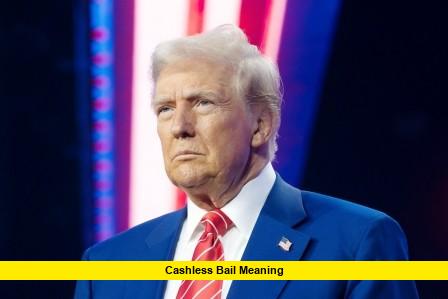
Cashless bail meaning has taken center stage today as President Trump signed executive orders aimed at eliminating cashless bail for suspects in Washington D.C. and targeting similar policies nationwide. This development marks a significant shift in federal policy toward local criminal justice systems that have adopted pretrial release reforms.
What Cashless Bail Actually Means
The cashless bail meaning refers to a system where defendants can be released from jail before trial without paying money upfront. Instead of requiring cash payments, courts use risk assessments and other factors to determine whether someone should remain in custody pending trial. This approach was designed to address concerns that traditional bail systems unfairly penalized low-income defendants who couldn’t afford to pay.
Washington D.C. implemented its cashless bail system in the 1990s over civil rights concerns, becoming one of the first cities to adopt this approach. The policy aimed to ensure that pretrial detention decisions were based on public safety risks rather than financial resources.
Federal Action Against Local Policies
The president’s executive order threatens federal funding for cities with cashless bail policies, intensifying pressure on liberal jurisdictions. This represents an unprecedented federal intervention into local criminal justice policies that have been traditionally managed at the state and municipal levels.
The executive orders signed today target two specific areas:
- Direct elimination of cashless bail in Washington D.C.
- Pressure tactics to end similar policies in other jurisdictions nationwide
This action represents the latest step in what officials describe as a federal takeover of the capital city’s law enforcement.
The Policy Debate Continues
Critics and supporters of cashless bail systems have long debated their effectiveness. Some states with cashless bail policies still allow cash bail for violent felonies and murder, with most including risk assessments to determine whether someone should be held pending trial.
Opponents point to cases where individuals released without bail have been charged with subsequent crimes, including a 2025 incident where someone released on assault charges was later charged in a fatal Metro train stabbing.
Supporters argue that traditional cash bail systems create a two-tiered justice system where wealthy defendants can secure release while poor defendants remain incarcerated for the same charges.
Impact on Criminal Justice Reform
The elimination of cashless bail policies represents a reversal of criminal justice reforms implemented over the past decade. Many jurisdictions adopted these policies to address jail overcrowding and reduce pretrial detention rates, particularly for non-violent offenders.
Legal experts suggest that federal intervention in local bail policies could face constitutional challenges, as criminal justice administration has historically been a state and local responsibility.
State-Level Variations
Different states have implemented varying versions of cashless bail policies. Some maintain cash requirements for serious violent crimes, while others use comprehensive risk assessment tools to make pretrial release decisions. The federal orders may affect these systems differently depending on their specific structures and funding relationships with federal agencies.
Looking Forward
The executive orders signed today signal a broader shift in federal criminal justice policy. Local jurisdictions now face difficult decisions about maintaining their current systems or modifying them to preserve federal funding relationships.
Criminal justice advocates and legal organizations are expected to challenge these orders in court, setting up potential constitutional battles over federal versus state authority in criminal justice matters.
The implementation timeline for these changes remains unclear, as does the specific mechanism by which federal funding would be withheld from non-compliant jurisdictions.
What are your thoughts on the federal government’s role in local criminal justice policies? Share your perspective in the comments below and stay updated on this developing story.