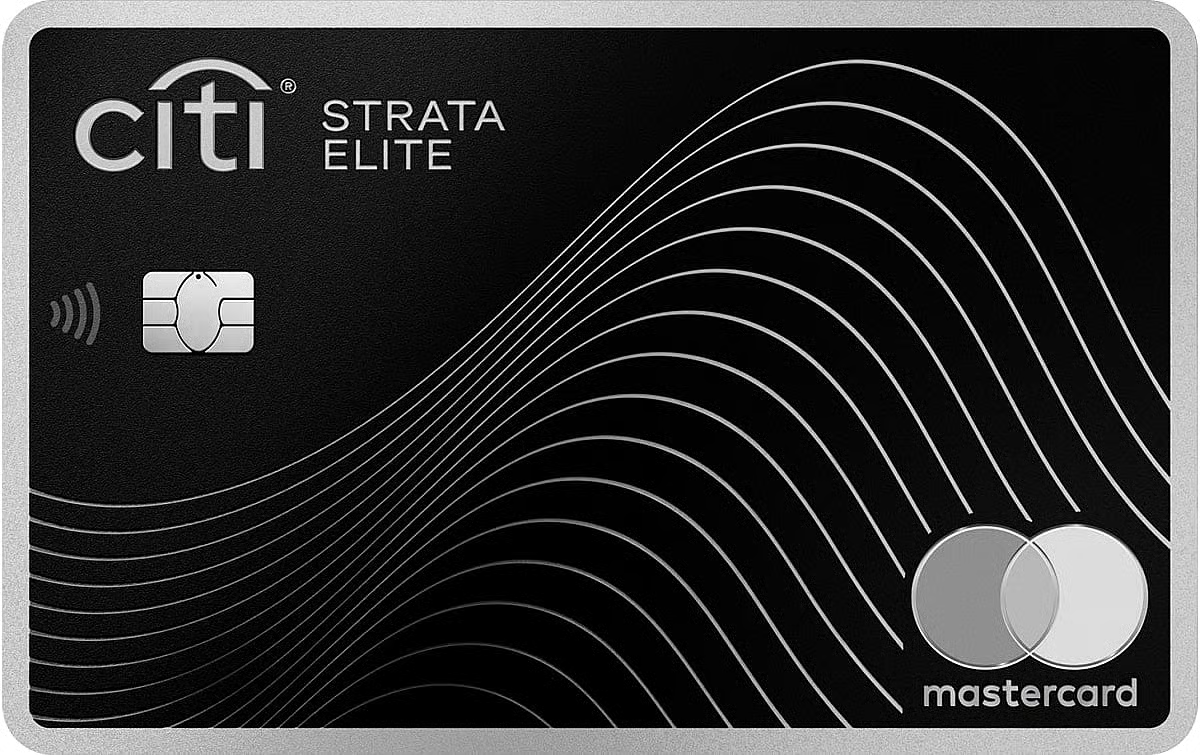
Whether you’re a first-time flyer or a seasoned road warrior, finding the best credit card for travel in 2026 is one of the smartest financial moves you can make this year. With refreshed card benefits, elevated welcome bonuses, and expanded rewards programs across the board, American travelers now have more high-value options than at any point in recent memory — and knowing which card fits your lifestyle could save you hundreds of dollars every single year.
If you’ve been booking flights and hotels with a basic debit card or a generic cash-back card, you’re leaving real money on the table with every trip you take.
Take a few minutes right now to evaluate your current card against the top options in 2026 — the right choice could fund your next flight for free.
Why 2026 Is the Year to Upgrade Your Travel Card
The travel credit card market has never been more competitive — and that’s excellent news for consumers. Major issuers have overhauled their flagship products, layering in stronger benefits, richer earning structures, and more generous welcome offers to attract new cardholders. Premium cards that once felt out of reach for everyday travelers are now being matched by mid-tier alternatives that deliver serious value without a four-figure annual fee.
At the same time, more Americans are traveling internationally than ever before. That shift has pushed issuers to add perks that matter beyond U.S. borders — no foreign transaction fees, global lounge access, and travel insurance that actually kicks in when you need it.
If you haven’t reviewed your wallet in the past year, now is the time to do it.
The Cards Getting the Most Attention Right Now
For travelers who value simplicity and strong everyday earning, the Capital One Venture Rewards Credit Card remains one of the most widely recommended options on the market. It earns at least 2 miles per dollar on every purchase, with no rotating categories to track and no guesswork involved. Miles can be applied toward any travel purchase as a statement credit, and the card covers the application fee for TSA PreCheck or Global Entry — a benefit that pays for itself on the first trip through a PreCheck lane.
The Chase Sapphire Preferred continues to earn its reputation as a go-to starter travel card for anyone serious about maximizing rewards. It earns 5x points on travel booked through the Chase portal, 3x on dining, and 2x on all other travel. A welcome bonus in the range of 60,000 to 75,000 points gives new cardholders an immediate head start, and the $95 annual fee is easy to justify once you factor in the annual hotel credit and the 10% anniversary points bonus.
For travelers ready to step up to a premium card, the Chase Sapphire Reserve delivers 8x points on Chase Travel purchases, 4x on flights and hotels booked directly, and 3x on worldwide dining. The $300 annual travel credit brings the effective fee down considerably, and trip delay insurance, primary rental car coverage, and emergency evacuation benefits make it one of the most protective cards in the market.
Airport Lounge Access: Who Comes Out on Top
If lounge access is your top priority, the American Express Platinum Card leads the field. Cardholders tap into more than 1,500 lounges worldwide through a collection that includes Centurion Lounges, Priority Pass Select, and Delta Sky Club visits on eligible Delta flights. The annual fee is on the higher end, but the card offsets it with airline fee credits, hotel credits, digital entertainment credits, and Uber Cash benefits that add up for travelers who engage with the full package.
The Capital One Venture X Rewards Credit Card has carved out a strong position as the best-value premium travel card available right now. At a lower annual fee than its Amex and Chase counterparts, it still delivers Priority Pass lounge access, a $300 annual travel credit applied to Capital One Travel bookings, and 10,000 bonus miles every account anniversary — worth at least $100 in travel. For travelers who want premium perks without the premium price tag, it’s hard to beat.
Co-Branded Cards Still Make Sense for Loyal Travelers
If you fly the same airline or sleep in the same hotel brand on most of your trips, a co-branded card can deliver benefits that no general travel card can match.
Airline co-branded cards typically offer free checked bags, priority boarding, companion certificates, and bonus miles on purchases with that carrier. Over the course of a year, free checked bags alone can save a family of four several hundred dollars. Hotel co-branded cards often come with automatic elite status, complimentary room upgrades, and free night awards that can cover the entire annual fee in a single redemption.
The trade-off is flexibility. Co-branded cards lock you into one ecosystem, which works brilliantly when you’re loyal — and feels limiting the moment you need to book with a competitor.
No Annual Fee Travel Cards Are Stronger Than Ever
Not every traveler wants to pay an annual fee, and the no-fee segment has improved dramatically. Several issuers now offer cards that earn solid rewards on travel and dining, skip foreign transaction fees, and include basic travel protections — all without charging a recurring fee.
These cards make the most sense for occasional travelers, people who are newer to credit card rewards, or anyone who wants a low-maintenance option that still earns useful miles or points. While they won’t match the perks of a premium card, they outperform the average cash-back card for anyone who takes even two or three trips per year.
The Hidden Benefits That Carry Real Weight
Beyond rewards rates and welcome bonuses, the best travel cards include protections that most cardholders never fully appreciate until they actually need them.
Trip cancellation and interruption insurance can reimburse non-refundable travel costs when a covered event forces you to cancel or cut a trip short. Trip delay insurance covers meals and accommodations when your flight gets delayed past a certain threshold — typically six to twelve hours depending on the card. Primary rental car coverage means you can skip the rental counter’s expensive daily insurance entirely. Purchase protection covers new items against damage or theft for a set period after you buy them.
These features don’t show up in rewards rate comparisons, but they represent real dollar value for travelers who know how to use them.
How to Match the Right Card to Your Lifestyle
The single biggest mistake travelers make when choosing a card is chasing the most impressive-sounding name or the largest welcome bonus without thinking about fit. A card with a massive annual fee and complex benefit structure only delivers value if you actually use what’s included.
Start by thinking about how often you travel, which airlines and hotels you prefer, and where most of your monthly spending goes. If you eat out frequently, a card with strong dining rewards earns points passively without changing your habits. If you spend heavily at grocery stores, look for a card that rewards everyday purchases — not just travel categories.
Then factor in the welcome bonus relative to what you’ll realistically spend in the first three months. Most cards require somewhere between $3,000 and $5,000 in spending to unlock the offer. Time your application around a large planned expense — a renovation, a move, a family event — and you can hit the threshold without stretching your budget.
The Right Time to Apply Is Usually Now
Welcome bonus offers fluctuate throughout the year, and there’s no reliable way to predict when the best offer on any given card will expire. Historically, elevated bonus periods have aligned with spring travel season and the fall holiday window — but issuers increasingly run aggressive offers year-round to stay competitive.
If you’ve been on the fence about applying, waiting rarely pays off. The miles and points you’d be earning during the delay are gone the moment you swipe a card that isn’t working as hard for you as it should be.
What Every Traveler Should Know Before Applying
Most premium and mid-tier travel cards require a good to excellent credit score for approval. Checking your credit before applying takes two minutes and protects you from unnecessary hard inquiries on cards you’re unlikely to qualify for. If your score needs work, a no-annual-fee travel card is a smart entry point — it builds your credit profile while still earning rewards you can use.
Also keep in mind that carrying a balance erases the value of any rewards you earn. Travel credit cards are designed to be paid in full each month. The interest charges on an unpaid balance will quickly outpace the value of your miles, points, or cash back — making the card a liability instead of an asset.
The Bottom Line
The travel credit card market in 2026 is competitive, well-developed, and genuinely rewarding for travelers who engage with it thoughtfully. Whether you want lounge access, flat-rate miles, luxury hotel perks, or a simple no-fee card that covers foreign transaction fees, there’s a product built for your needs. The key is matching the card’s strengths to how you actually live, spend, and travel — not just picking whatever has the flashiest sign-up offer at the moment.
Which travel card are you using in 2026, or are you still searching for the right one? Drop your thoughts in the comments below — your experience could help a fellow traveler find exactly what they need.