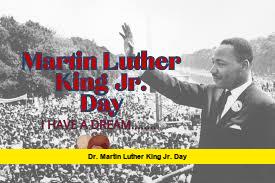
January 19, 2026 brings another observance of dr. martin luther king jr. day, and across the United States, celebrations, reflections, and actions are unfolding that honor the life of a leader whose message of justice, equality, and service still resonates deeply. This national moment blends ceremonial tributes, community service, marches, cultural programming, and pauses in daily routines to recognize Dr. King’s lasting contributions to civil rights and civic engagement.
From major city marches drawing massive crowds to locally organized service projects, this year’s holiday reflects both the historical foundations of the observance and contemporary community priorities. Americans of all ages are participating in activities that range from solemn remembrance ceremonies to family-friendly events and volunteer efforts aimed at strengthening neighborhoods.
A National Holiday With a Call to Action
dr. martin luther king jr. day, observed each year on the third Monday in January, honors the birthday and legacy of one of the most consequential figures in American history. Although Dr. King’s actual birthday is January 15, the federal holiday is set on a Monday to provide a long weekend that encourages broader participation in events and service opportunities. The holiday has been recognized at the federal level since the 1980s and is marked nationwide with closures of many government offices, schools, banks, and stock exchanges as the nation pauses to reflect and engage.
In addition to observances and public remembrance, the day is widely promoted as a national day of service, urging people to convert reflection into action. In cities and towns large and small, organizations and civic leaders are hosting service projects such as environmental cleanups, community assistance drives, and family outreach initiatives. This emphasis on meaningful activity reinforces the idea that true respect for Dr. King’s legacy involves direct engagement in efforts to improve people’s lives.
Major Events Across the Country
Washington, D.C.: Peace Walk and Community Gathering
In the nation’s capital, a high-profile peace walk and parade have been organized for January 19. This event brings residents and visitors together to honor Dr. King’s commitment to nonviolence and communal solidarity. The parade and associated public programs are expected to draw diverse participation and serve as a reminder of the power of peaceful civic action.
San Antonio: One of the Country’s Largest Marches
San Antonio’s annual civil rights march stands out as one of the largest in the country. Drawing hundreds of thousands of participants each year, this peaceful procession honors Dr. King’s ideals while fostering unity among residents. Beginning decades ago as a small local event, the march has evolved into a signature event that stretches through city streets and embodies the spirit of collective remembrance and hope.
Austin: March, Festival, and Citywide Activities
In Austin, Texas, the weekend leading up to January 19 is filled with community programming. Citywide activities include a rally, a march, a festival celebrating local culture, and opportunities to engage in volunteer service. Together, these events create a rich weekend of reflection, celebration, and community engagement that resonates with residents of all ages.
Tampa Bay Area: Parades and Local Commemorations
Communities around Tampa Bay are hosting a range of activities to recognize Dr. King’s legacy. Parades, family-friendly celebrations, and civic gatherings offer opportunities for residents to gather, honor history, and participate in collective reflection.
Brooklyn and Other Urban Centers: Family-Focused Events
In New York City’s Brooklyn borough, family-centered programming includes service projects and interactive tributes designed to engage children and adults alike. Programs that combine community service with creative and educational activities provide a holistic way for families to honor the holiday together.
Community Service Initiatives in Smaller Cities
Local Cleanups and Action Projects
Across the Midwest and other regions, community groups are organizing environmental and civic service activities. In one Illinois community, volunteers are gathering for a litter cleanup that targets plastic pollution and aims to improve neighborhood spaces. These localized service projects bring neighbors together, fostering connection while addressing practical needs.
Free Community Dinners and Public Programs
Smaller communities like Manistee are hosting free dinners and evening programs that include historical presentations and opportunities for local residents to share memories of civil rights history. These grassroots initiatives reinforce the importance of conversation and connection in commemorating Dr. King’s life.
Regional Celebrations in the Pacific Northwest
In the Pacific Northwest, cities like Seattle and Tacoma are hosting a rich array of events. The 43rd annual Seattle march and rally, built around themes of community and collective purpose, includes pre-holiday workshops, youth engagement events, and educational opportunities. Community celebrations in Tacoma feature music, awards honoring service leaders, outreach fairs, and historical programming that invites attendees to reflect on the principles Dr. King championed.
Seattle’s local activities also include family celebrations and cultural programming that emphasize inclusion and community unity. Events range from rallies and educational exhibits to youth workshops and interactive experiences that blend art, music, and civic engagement.
Daily Life and Service on the Holiday
Like many U.S. federal holidays, dr. martin luther king jr. day results in closures and adjustments to regular schedules. Government offices including the Internal Revenue Service close for the day, and major shipping services suspend or modify operations. Postal services pause mail delivery, and financial markets remain closed, creating a long holiday weekend that encourages participation in civic life rather than routine work.
Public transportation systems in many regions operate on adjusted timetables, and schools are typically closed or hold special programming focused on the holiday’s significance. While many retail and grocery stores remain open, customers often find that services such as banking and governmental assistance are unavailable.
Public Reflection on Legacy and Relevance
Beyond the celebrations and service events, dr. martin luther king jr. day has also become a moment for public commentary and civic reflection. Leaders in nonprofit and civil rights sectors emphasize that Dr. King’s message remains relevant amid contemporary social and political challenges, urging communities to approach the holiday not just as a day of remembrance but as an occasion for active engagement with issues like equity, inclusion, and justice.
Some civic voices emphasize that honoring Dr. King today involves addressing longstanding societal challenges, reminding communities that the pursuit of a more equitable society requires both reflection and concrete effort.
Broad Participation Across Generations
A defining feature of the holiday is its broad appeal across generational and cultural lines. From youth participants marching alongside family members to seasoned civil rights advocates leading community discussions, the observance brings together diverse voices. Schools and universities often host age-appropriate programming, including historical presentations, creative workshops, and volunteer coordination efforts.
Families are finding ways to participate together through service projects, museum activities, and community gatherings that focus on storytelling, music, art, and collective reflection. In many places, children’s workshops and performances connect young audiences to the history and ongoing significance of Dr. King’s work.
Looking Forward: Sustaining Momentum Beyond the Holiday
As communities across the nation mark January 19, the observance of dr. martin luther king jr. day is both a respectful nod to history and a springboard for continued civic engagement. Many organizers and participants view the holiday not as a singular event but as part of broader efforts to strengthen community bonds, promote justice, and inspire future action.
From service drives that continue throughout the year to outreach efforts that bring neighbors together beyond formal events, the impact of this day extends well beyond its 24 hours. The commitment to service, equality, and unity that defines this holiday continues to influence community life in tangible ways as Americans strive to live up to the principles Dr. King championed.