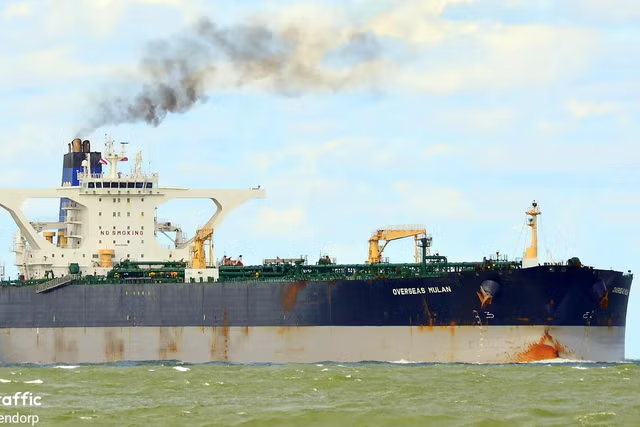
In a high-stakes maritime operation that underscores escalating tensions over global energy resources, the US seizes Russian oil tanker amid efforts to enforce sanctions on Venezuelan oil exports. This bold move by American forces highlights the Trump administration’s aggressive stance against illicit trade networks supporting adversarial regimes.
The incident unfolded on January 7, 2026, when U.S. Coast Guard teams boarded the Russian-flagged vessel Marinera in the choppy waters of the North Atlantic. Crew members watched as armed personnel secured the ship after a pursuit that spanned weeks and thousands of miles.
Authorities identified the Marinera as a key player in the shadowy world of international oil smuggling. Previously known as the Bella 1, the tanker had slipped through a U.S. blockade near Venezuela in late December, prompting an immediate chase across the ocean.
The Pursuit Across the Seas
The chase began when the Bella 1 loaded crude oil from Venezuela’s Jose Oil Terminal. U.S. officials tracked the vessel as it attempted to evade detection by changing its name to Marinera and adopting a Russian flag.
Coast Guard cutters, supported by military aircraft, shadowed the tanker through stormy conditions. The vessel’s operators made frantic efforts to avoid capture, but American forces closed in near the waters between Iceland and Scotland.
Special operations teams, including Navy SEALs transported by Army helicopters, executed the boarding in predawn hours. They met no resistance from the crew, who included Russian nationals.
A Second Seizure in the Caribbean
Simultaneously, U.S. forces targeted another tanker, the M/T Sophia, in international waters of the Caribbean Sea. This Panama-flagged ship carried approximately 2 million barrels of Merey crude oil, sourced directly from Venezuela.
The Sophia had a history of involvement in sanctioned trades. Officials described it as stateless due to its illicit operations, making it a prime target for interception.
Both seizures occurred under federal court warrants. They aimed to disrupt the flow of oil that funds regimes opposing U.S. interests.
Background on Venezuelan Oil Sanctions
Venezuela boasts some of the world’s largest oil reserves, but years of mismanagement and international sanctions crippled its industry. Output plummeted from over 2 million barrels per day to a fraction of that.
The U.S. imposed sanctions in 2019 to pressure the Maduro government. These measures targeted PDVSA, Venezuela’s state oil company, restricting exports and imports.
Recent events accelerated U.S. actions. American forces captured former Venezuelan President Nicolás Maduro in a raid on Caracas between January 3 and 5, 2026. This operation shifted dynamics, allowing interim leaders to engage with Washington.
The Role of Shadow Fleets
Shadow fleets, also called ghost fleets, consist of aging tankers that operate outside standard regulations. These vessels often switch flags, names, and ownership to dodge sanctions.
The Marinera exemplified this tactic. It previously flew a Guyanese flag before temporarily registering under Russia in late December. Such fleets transport oil from sanctioned nations like Venezuela and Iran to buyers in Asia and elsewhere.
U.S. officials estimate dozens of similar tankers actively evade blockades. The seizures send a clear message: American enforcement extends globally.
International Reactions Heat Up
Russia swiftly denounced the boarding of the Marinera. Officials labeled it an act of piracy and a violation of maritime laws. They demanded the safe return of their citizens aboard the vessel.
China echoed these criticisms, accusing the U.S. of bullying tactics that endanger global energy stability. Beijing, a major buyer of Venezuelan oil, sees the moves as direct interference in its supply chains.
The United Kingdom backed the U.S. operation. British forces provided surveillance aircraft and logistical support, ensuring the action aligned with international norms.
Ukraine, amid its ongoing conflict with Russia, welcomed the seizures. They viewed it as a setback for Moscow’s economic allies.
Implications for U.S.-Venezuela Relations
The us seizes russian oil tanker operation ties into broader negotiations between Washington and Caracas. Interim Venezuelan leaders expressed willingness to cooperate on energy matters.
Discussions center on a potential deal for 30 to 50 million barrels of crude. The U.S. would refine and sell the oil, with proceeds funding purchases of American goods like food and medicine.
This arrangement aims to stabilize Venezuela’s economy while securing U.S. energy interests. American oil executives showed interest in investing in Venezuelan infrastructure, pending policy assurances.
Economic Ripples in Global Markets
The seizures contributed to a dip in crude oil prices. Markets reacted to the prospect of increased supplies from redirected Venezuelan exports.
Traders anticipate that easing some sanctions could boost global output. However, uncertainties linger due to geopolitical frictions.
Energy analysts note that diverting oil from China to the U.S. could reshape trade patterns. This shift might lower costs for American consumers while pressuring adversarial economies.
U.S. Leadership’s Stance
President Donald Trump emphasized his administration’s commitment to enforcing embargoes. He stated that only lawful energy commerce would proceed under U.S. oversight.
Vice President JD Vance highlighted control over Venezuelan resources as key to national security. Defense officials affirmed the global reach of the blockade.
Homeland Security leaders praised the operations’ safety and effectiveness. They released footage showing the Coast Guard’s proximity during the pursuit.
Challenges in Maritime Enforcement
Enforcing sanctions at sea presents logistical hurdles. Tankers like the Marinera exploit international waters, where jurisdiction blurs.
U.S. forces rely on advanced tracking technology, including Poseidon aircraft and Stratotankers. Alliances with nations like the UK enhance operational capabilities.
Despite successes, critics argue such actions risk escalation. Diplomatic channels remain open to mitigate conflicts.
The Human Element Aboard
Crews on these tankers face uncertain fates. Russian nationals on the Marinera await potential prosecution in the U.S.
Authorities pledged humane treatment. However, the incident raises questions about seafarer rights in geopolitical disputes.
Families back home expressed concern. International organizations monitor the situation closely.
Future of Venezuelan Oil Exports
Venezuela’s PDVSA engages in talks for transparent deals. Acting leaders seek to revive the industry through partnerships.
U.S. companies eye opportunities to modernize facilities. This could increase production and integrate Venezuela into Western markets.
Challenges include outdated equipment and skilled labor shortages. Progress depends on stable policies.
Geopolitical Shifts in the Americas
The seizures reflect Trump’s “America First” approach. By targeting Venezuelan oil, the U.S. aims to reduce influence from Russia and China in the hemisphere.
Allies in Latin America, like Colombia, discuss regional stability. These moves could foster closer ties.
Democrats in Congress critique the tactics but acknowledge the strategic goals. Bipartisan support exists for sanctions against Russia.
Energy Security in a Tense World
Global energy security hangs in the balance. Disruptions from such operations affect supply chains worldwide.
Consumers benefit from lower prices, but producers face volatility. The U.S. positions itself as a stabilizing force.
Innovation in tracking and enforcement evolves. Future operations may incorporate more advanced tech.
Lessons from the High Seas Drama
This episode illustrates the complexities of modern geopolitics. Oil remains a pivotal resource in international power plays.
Nations must navigate laws, alliances, and economics carefully. The Marinera’s fate serves as a cautionary tale for sanctions evaders.
As tensions simmer, dialogue offers a path forward. Stakeholders watch closely for resolutions.
What Lies Ahead for Seized Assets
The tankers now head to U.S. ports for unloading. Their cargoes will integrate into legal markets, per officials.
Legal proceedings against owners and operators loom. Outcomes could set precedents for similar cases.
Industry observers predict more seizures if evasion persists. Vigilance defines the current era.
The world awaits further developments in U.S.-Venezuela ties. Energy diplomacy takes center stage.
Share your thoughts in the comments below or follow for the latest updates on global energy conflicts.